



What's Happening?
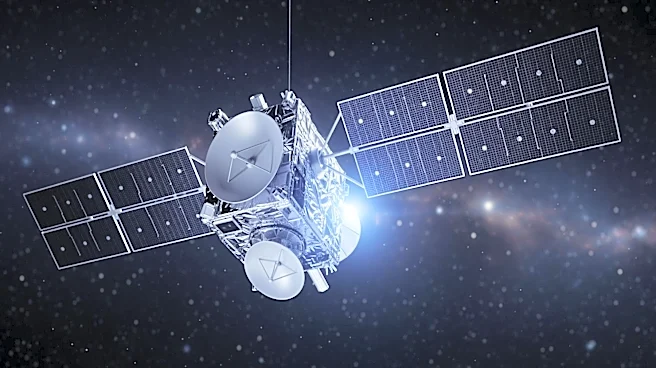
Katalyst Space Technologies has begun testing its LINK robotic servicing spacecraft at NASA's Goddard Space Flight Center. The spacecraft is set to launch later this year to boost the Neil Gehrels Swift Observatory into a higher orbit. This mission aims
to extend the observatory's operational life by countering the effects of atmospheric drag, which has been exacerbated by recent solar activity. The collaboration between NASA and Katalyst represents a shift towards more flexible and cost-effective space operations, allowing for the continued collection of valuable scientific data.
Why It's Important?
The Swift boost mission is significant as it demonstrates a new capability in space servicing, potentially setting a precedent for future satellite maintenance and life extension. By partnering with private companies like Katalyst, NASA is exploring innovative ways to maximize the utility of existing space assets, which can lead to cost savings and enhanced scientific output. This approach aligns with broader efforts to maintain U.S. leadership in space exploration and ensure taxpayer investments yield the best possible returns.
What's Next?
Following the completion of environmental tests, the LINK spacecraft will be integrated into a Pegasus rocket for launch. The mission will attempt to reposition the Swift Observatory, allowing it to resume full scientific operations. Success in this mission could pave the way for similar initiatives, encouraging further collaboration between NASA and private space companies to enhance the longevity and capabilities of space assets.