




What's Happening?
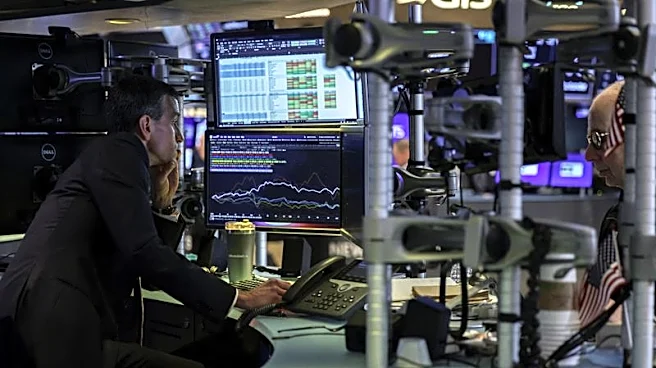
Emerging markets experienced significant capital outflows in March, with foreign investors withdrawing $70.3 billion, marking the largest outflow since the pandemic-induced market rout in 2020. The Institute of International Finance (IIF) reported that
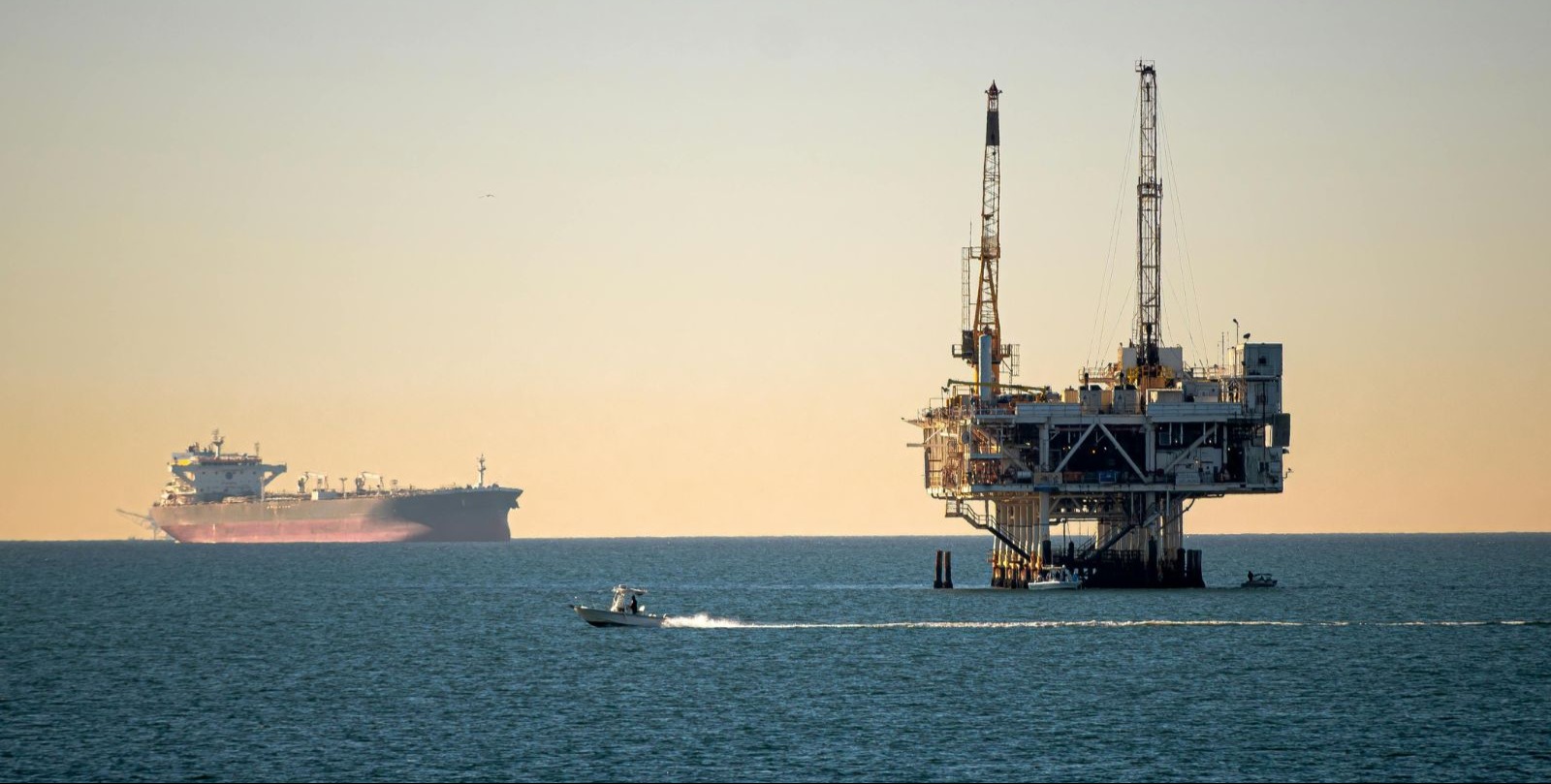
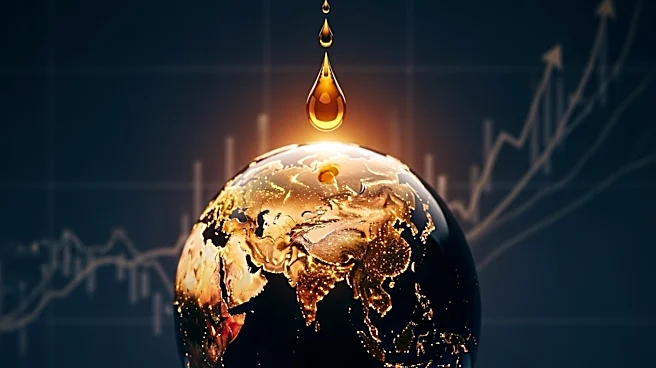
the outflows were primarily driven by a retreat from Asian equities, exacerbated by the geopolitical shock of the Iran war. The conflict has led to a 50% spike in oil prices, dampening investor risk appetite. Despite previous strong inflows, the geopolitical tensions have reversed the trend, highlighting the vulnerability of emerging markets to external shocks.
Why It's Important?
The massive outflows from emerging markets underscore the fragility of these economies in the face of geopolitical instability. The withdrawal of capital can lead to currency depreciation, increased borrowing costs, and economic slowdowns in affected countries. For the U.S., this situation could impact trade relations and investment opportunities in Asia, as well as influence global financial markets. The shift in investor sentiment may also affect U.S. financial institutions with exposure to emerging markets, potentially leading to broader economic implications.
What's Next?
The future of emerging market stability hinges on the duration and resolution of the Iran conflict. If the geopolitical tensions persist, further capital outflows could occur, exacerbating economic challenges in these regions. Conversely, a resolution could stabilize markets and restore investor confidence. Policymakers in emerging markets may need to implement measures to attract and retain foreign investment, while international financial institutions could play a role in providing support to stabilize these economies.
Beyond the Headlines
The situation highlights the interconnectedness of global financial markets and the impact of geopolitical events on economic stability. The reliance of emerging markets on foreign capital makes them particularly susceptible to external shocks, raising questions about the sustainability of their growth models. The current scenario may prompt a reevaluation of investment strategies and risk management practices among global investors.