




What's Happening?
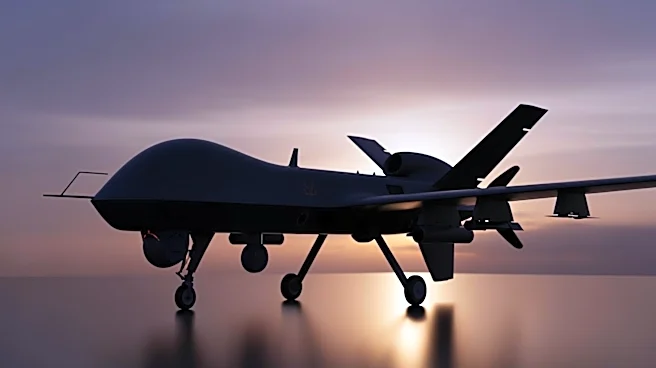
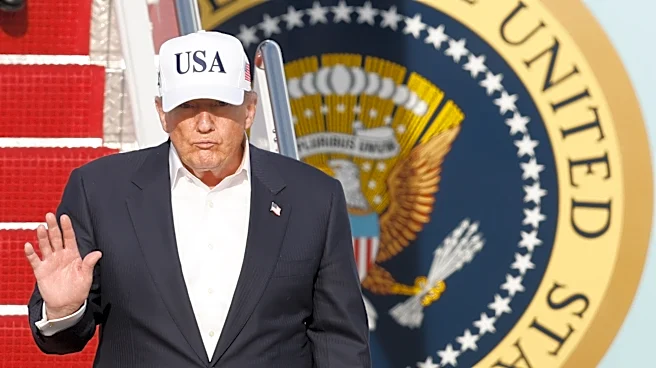
President Donald Trump revealed that he was on the verge of launching a military attack on Iran, but decided to delay the action after receiving requests from key Gulf allies. During a press conference, Trump stated that the military operation was fully
prepared, with ships and equipment ready for deployment. However, leaders from Saudi Arabia, the United Arab Emirates, and Qatar intervened, urging Trump to postpone the attack to allow for ongoing negotiations. Trump emphasized that these leaders believed a diplomatic solution could be reached that would be favorable to the United States and the broader Middle East region. This decision marks a significant shift from Trump's previous aggressive rhetoric towards Iran, where he had warned of severe consequences if Iran did not comply with U.S. demands.
Why It's Important?
The decision to delay the attack on Iran underscores the complex geopolitical dynamics in the Middle East and the influence of U.S. allies in the region. By opting for diplomacy over immediate military action, the U.S. potentially avoids escalating tensions that could lead to broader conflict. This move may also reflect the strategic importance of maintaining strong alliances with Gulf states, which play a crucial role in regional stability and energy markets. The situation highlights the delicate balance between demonstrating military strength and pursuing diplomatic resolutions, which can have significant implications for international relations and global security.
What's Next?
The next steps involve monitoring the progress of negotiations between Iran and the Gulf states, as well as any further diplomatic engagements by the U.S. The outcome of these talks could influence future U.S. foreign policy decisions in the region. Additionally, the international community will be watching closely to see if Iran responds positively to the diplomatic overtures or if tensions will rise again. The U.S. administration may also face domestic scrutiny over its handling of the situation, particularly from those advocating for a more hardline approach towards Iran.