











What's Happening?
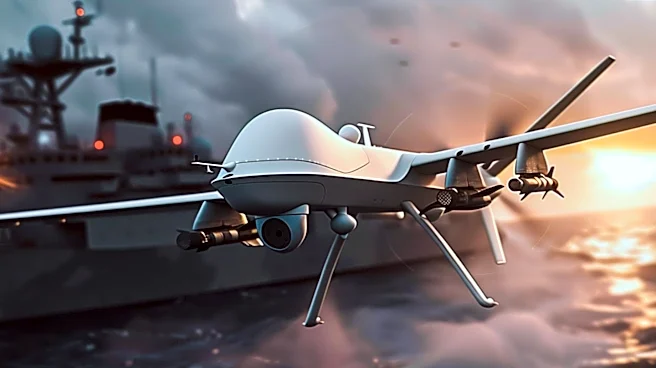
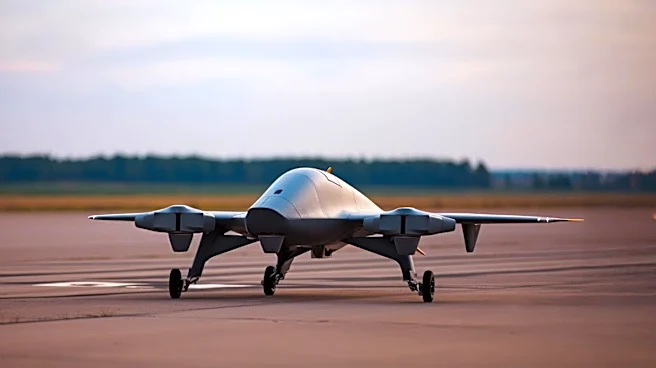
The UK Ministry of Defence (MoD) has released its long-awaited Defence Investment Plan (DIP), which outlines a significant increase in defense spending and strategic reforms. The plan, delayed due to funding disputes, commits to major investments in uncrewed
systems such as drones and self-flying fighter jets. The DIP includes a £298 billion budget through the end of the decade, with annual spending rising to £80 billion by 2029. This increase aims to boost the UK's defense spending to 3% of GDP during the next parliament. Key initiatives include the Global Combat Air Programme (GCAP) and the procurement of 12 Lockheed Martin F-35As. The plan also involves platform cuts and the early retirement of certain aircraft to fund new technologies.
Why It's Important?
The strategic triad reforms are crucial for modernizing the UK's defense capabilities in response to evolving global threats. By investing in uncrewed systems and advanced fighter jets, the UK aims to enhance its military effectiveness and maintain a competitive edge. The increased defense spending is expected to support the aerospace sector, create jobs, and bolster the UK's commitment to NATO. The focus on autonomous systems reflects lessons learned from recent conflicts, where such technologies have proven vital. These reforms could influence defense policies and spending priorities in other NATO countries, potentially leading to a broader shift towards advanced military technologies.
What's Next?
The UK MoD plans to sign the next international contract for the GCAP shortly, continuing its investment in research and development. The focus will be on accelerating the operational capability of collaborative combat aircraft and integrating them into the UK's defense strategy. The MoD will work with industry partners and leverage technology from GCAP partner nations to stay at the forefront of military innovation. The phased retirement of older aircraft will proceed, making way for new acquisitions and technologies. These developments will likely prompt discussions among NATO allies about future defense collaborations and technology sharing.
Beyond the Headlines
The strategic triad reforms highlight the UK's commitment to maintaining a robust defense posture amid global uncertainties. The emphasis on uncrewed systems raises ethical and operational questions about the role of autonomous technologies in warfare. As these systems become more prevalent, there will be increased scrutiny on their use, potential risks, and the need for international regulations. The reforms also underscore the importance of balancing technological advancements with traditional military capabilities, ensuring that the UK remains prepared for a wide range of security challenges.