





What's Happening?
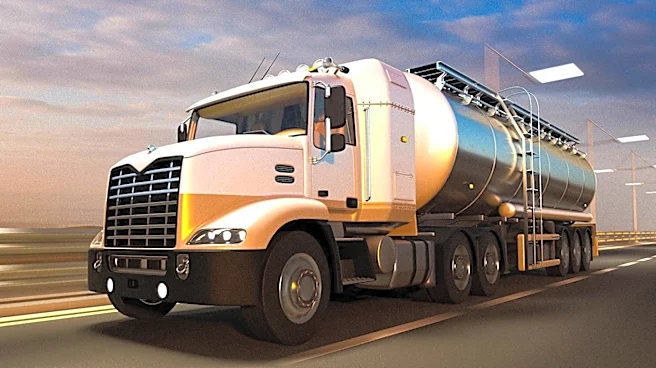
A semi-tanker truck transporting milk was destroyed in an early morning fire on Highway 92 near Osceola, Nebraska. Osceola Fire & Rescue responded to the incident at approximately 1:40 a.m. near 130th and G Road, west of Osceola. Upon arrival, firefighters
found the rear of the tanker, which was filled with milk, fully engulfed in flames. Crews quickly deployed foam to control the blaze. Osceola Fire Chief Toby Watts reported that the driver's swift action in unhooking and moving the truck prevented damage to the truck itself, limiting destruction to the trailer and its cargo. Due to the extensive damage to the tank, three towing companies were required to remove it using a flatbed trailer. This operation led to a complete closure of the area, with the Polk County Sheriff’s Office and the Nebraska Department of Transportation assisting with traffic detours and road closures. No injuries were reported, and authorities believe a mechanical failure caused the fire. The area has since been reopened to traffic.
Why It's Important?
This incident highlights the critical role of rapid response from emergency services and the importance of driver training in mitigating potential disasters. The destruction of a commercial vehicle and its cargo, even without injuries, represents a significant economic loss for the trucking company and potentially the dairy industry supply chain. The need for multiple towing companies and the resulting road closure underscore the logistical challenges and disruptions that such incidents can cause for local transportation and commerce. Furthermore, the fire chief's emphasis on drivers following traffic instructions during emergency situations points to ongoing public safety concerns at accident scenes. Mechanical failures in commercial vehicles can lead to severe consequences, prompting ongoing discussions about vehicle maintenance standards and inspection protocols to prevent similar occurrences and ensure road safety.
What's Next?
Authorities will likely conduct a thorough investigation into the mechanical failure that caused the fire to determine its exact nature and whether any preventative measures could have been taken. This investigation may involve inspections of the truck's maintenance records and components. The trucking company involved will face the task of assessing the financial impact of the destroyed trailer and lost cargo, potentially filing insurance claims. Local transportation authorities may review traffic management procedures for similar incidents to ensure efficient handling of road closures and detours. Additionally, there might be renewed calls for increased vigilance regarding commercial vehicle maintenance and safety checks to prevent future mechanical failures that could lead to fires or other hazardous situations on public roadways.
Beyond the Headlines
The incident subtly underscores the vulnerabilities within the supply chain, particularly for perishable goods like milk. While this single event may not cause widespread shortages, it illustrates how localized disruptions can impact the flow of essential products. The reliance on a robust transportation network means that even minor incidents can have ripple effects, from delivery delays to increased operational costs for businesses. Furthermore, the fire chief's comment about drivers disregarding traffic instructions at accident scenes points to a broader societal issue of compliance with safety directives, which can endanger first responders and other motorists. This event serves as a reminder of the constant need for public education on road safety and respect for emergency personnel operating in hazardous conditions.