








What's Happening?
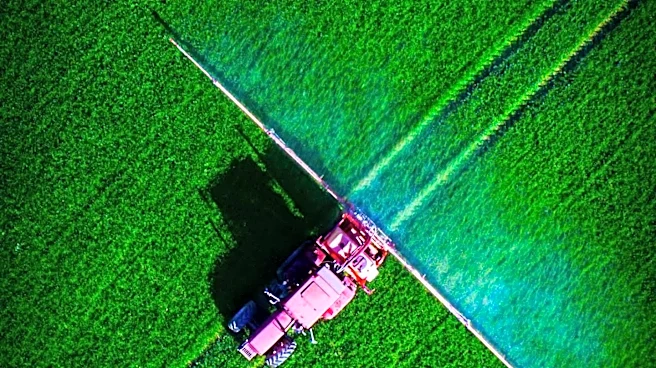
AI technology is increasingly being integrated into agricultural practices in Idaho, offering potential benefits such as time savings, reduced inputs, and enhanced research and development. Companies like TerraClear are using AI to create 'rock maps'
from drone imagery, aiding in efficient rock removal from fields. Additionally, TerraClear plans to introduce 'weed maps' for crops like corn and soybeans, which will help in targeted weed management. Meanwhile, the startup Irrigant, founded by high school students, is developing AI-powered irrigation decision support software to optimize water use on farms. This software, trained on real Idaho farm data, aims to improve water management and reduce costs.
Why It's Important?
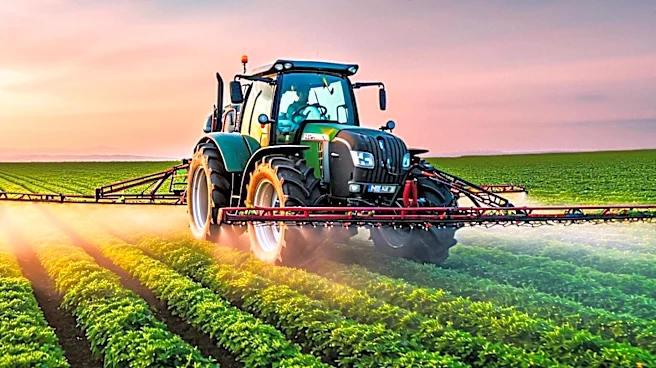
The application of AI in agriculture represents a significant shift towards more efficient and sustainable farming practices. By optimizing resource use, such as water and labor, AI can help farmers reduce costs and increase yields, which is crucial in the face of growing environmental and economic pressures. The innovations in AI-driven tools for agriculture also highlight the potential for technology to address longstanding challenges in the industry, such as labor shortages and resource management. As these technologies become more widespread, they could lead to broader changes in agricultural practices and policies, influencing how food is produced and managed.
What's Next?
As AI technologies continue to develop, their integration into agriculture is expected to expand. TerraClear's weed maps are set to launch next spring, and Irrigant's software is slated for public release in the 2027 growing season. These advancements will likely prompt further innovation and adoption of AI in agriculture, potentially leading to new business models and partnerships. Stakeholders, including farmers, technology developers, and policymakers, will need to collaborate to ensure that AI is used effectively and ethically, balancing technological benefits with the preservation of critical agricultural knowledge and skills.
Beyond the Headlines
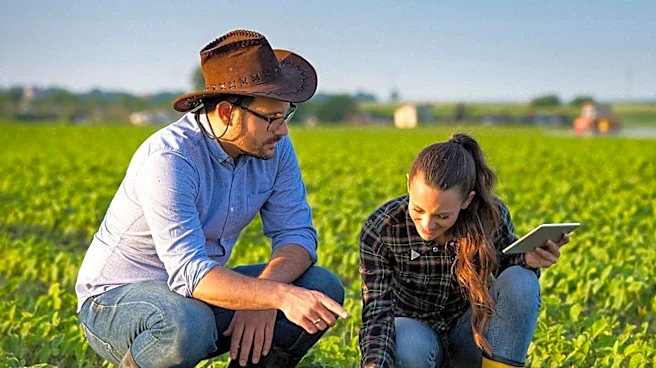
The increasing use of AI in agriculture raises questions about the potential 'deskilling' of farmers, as reliance on technology might reduce the need for traditional skills and knowledge. This could have long-term implications for the agricultural workforce and the industry's ability to respond to crises. Additionally, the ethical use of AI in agriculture will require careful consideration, particularly in terms of data privacy and the equitable distribution of technological benefits. As AI becomes more embedded in agricultural practices, it will be important to maintain a balance between technological advancement and the preservation of human expertise.