





What's Happening?
Natalie Harp, a prominent aide to President Trump, has become a subject of national attention following comments by Democratic Senator Jon Ossoff and subsequent reports regarding her role and security clearance. Harp, 35, initially gained public recognition
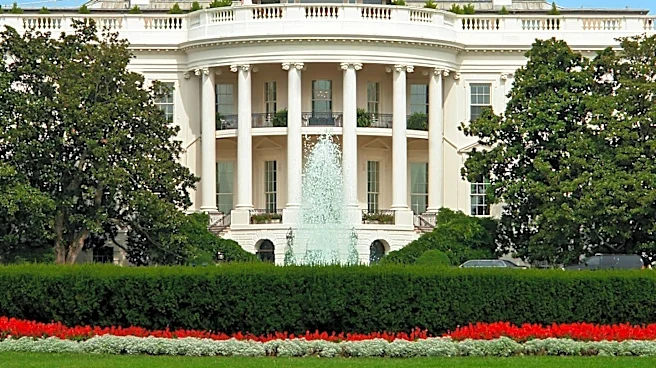
for crediting President Trump's 'Right to Try' legislation with saving her life after a cancer diagnosis. This advocacy led her into Trump's orbit, transitioning from a healthcare advocate to a political surrogate, then an OAN host, and eventually an executive assistant to the president. She is known as the president's 'human printer' due to her practice of providing him with hard copies of favorable news and social media posts. Recent reports indicate that Harp worked at the White House for over a year without security clearance, a routine check for West Wing staffers. Two sources familiar with the matter stated she repeatedly declined to seek these checks, though a senior White House official confirmed she received multiple extensions and has since obtained clearance. Harp's responsibilities have expanded to include involvement in Trump's communications, reportedly typing and publishing his Truth Social posts as dictated by the president.
Why It's Important?
The scrutiny surrounding Natalie Harp's role and security clearance raises significant questions about White House protocols, access to sensitive information, and the influence of unelected advisors. The revelation that a key aide operated without standard security clearance for an extended period could prompt concerns about national security vulnerabilities and adherence to established administrative procedures. Her close proximity to President Trump and involvement in his communications, including dictating social media posts, highlights the informal yet powerful channels of influence within the administration. This situation could lead to increased calls for transparency regarding the vetting processes for presidential appointees and aides, particularly those with direct access to the president and his communications. The controversy also underscores the potential for political opponents to leverage such issues to criticize the administration's operational integrity and decision-making, impacting public perception and trust in government institutions.
What's Next?
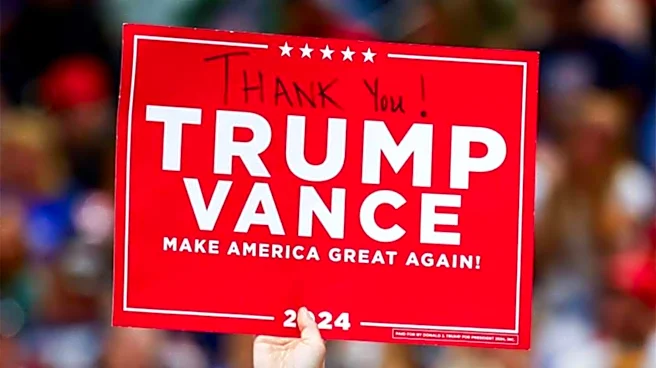
The increased scrutiny on Natalie Harp's role and past security clearance status may lead to further investigations or demands for clarification from congressional oversight committees or media outlets. The White House may face pressure to provide more detailed explanations regarding the timeline of Harp's security clearance process and the reasons for any delays. This situation could also influence future appointments and the vetting procedures for White House staff, potentially leading to stricter enforcement of security protocols. Politically, Senator Ossoff's comments and the subsequent backlash from the White House indicate that Harp's role will likely remain a talking point for both supporters and critics of President Trump, especially as the 2024 campaign continues. The ongoing public discussion could also prompt other individuals with knowledge of the situation to come forward, potentially revealing more details about the inner workings of the administration.
Beyond the Headlines
Beyond the immediate political implications, the Natalie Harp situation touches upon broader themes of loyalty, influence, and the evolving nature of presidential communication in the digital age. Her journey from a healthcare advocate to a trusted presidential aide, particularly her 'human printer' role, illustrates President Trump's unique communication style and his preference for traditional media consumption alongside modern social media engagement. The controversy also highlights the ethical considerations surrounding the roles of personal aides in high-level government positions, especially when their access and influence might bypass conventional administrative structures. The public debate surrounding her security clearance and the nature of her relationship with the president could contribute to a larger discussion about the balance between personal trust and institutional safeguards in the executive branch, potentially shaping future norms for presidential staff appointments and accountability.