









What's Happening?
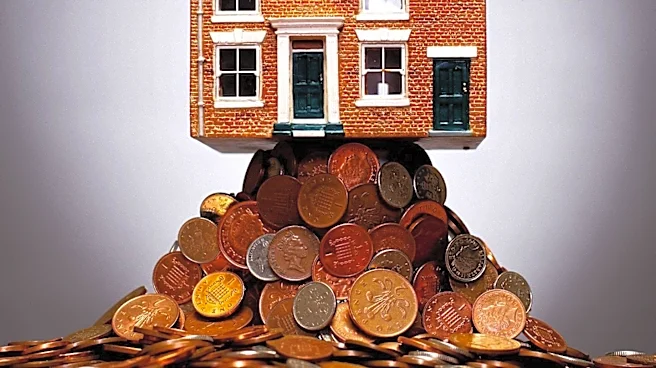
As baby boomers approach their later years, they hold a significant portion of the U.S. housing stock and real estate wealth, which is expected to trigger a 'silver tsunami' as they downsize or pass on their homes. This generational shift could potentially
address the current housing affordability crisis. However, the high costs of these homes and the mounting debt of younger generations, such as Gen X and millennials, pose challenges. Baby boomers currently own about a third of U.S. housing stock, and their homes are often large and may require significant maintenance. The National Association of Realtors reports that in 2025, baby boomers made up 42% of homebuyers, while Gen Z and millennials accounted for only 4% and 26%, respectively.
Why It's Important?
The impending transfer of real estate wealth from baby boomers to younger generations could reshape the housing market. However, the ability of younger generations to purchase these homes is hindered by high debt levels and rising housing costs. This situation could exacerbate the housing affordability crisis if not managed properly. The 'Great Transfer' of wealth is expected to be gradual, with potential impacts on housing values, especially in less desirable areas. The shift could also lead to increased housing availability in high-demand areas, potentially easing some market pressures.
What's Next?
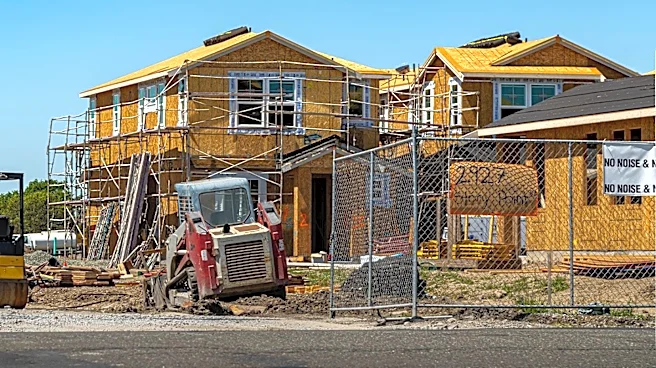
As baby boomers begin to release their homes onto the market, the real estate landscape will likely change. Homes in job centers may increase in value, while those in less desirable locations may decrease. This shift could lead to redevelopment opportunities, particularly in urban areas where single-family homes might be converted into multi-family housing. The gradual nature of this transition means that the housing market will need to adapt over time, with potential policy implications for housing affordability and urban planning.