




What's Happening?
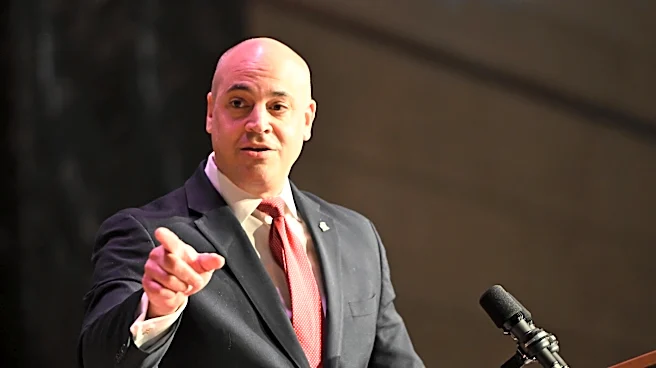
Attorney General Dave Sunday, in collaboration with the State College Police Department and the 54th Statewide Investigating Grand Jury, has announced charges against 14 individuals involved in a cocaine trafficking operation. The operation primarily
involved college students and two fraternities, Delta Upsilon and Sigma Chi. Of the 14 defendants, 13 were Penn State University students at the time of the alleged conduct in 2023 and 2024. The 14th defendant, the father of a student, faces charges of tampering with evidence and hindering the investigation. According to the investigation, Agostino Abbatiello and Thomas Robinson were identified as the main suppliers, making regular trips to Philadelphia and New York to acquire large quantities of cocaine. This cocaine was then cut and packaged, primarily within the Delta Upsilon and Sigma Chi fraternity houses, and subsequently distributed to Penn State University students. Abbatiello, Robinson, Mohammed Hurabi, and Lars Zeepvat are charged with felony corrupt organizations, conspiracy, dealing in proceeds of unlawful activity, and related offenses. Robert Zanolla faces felony conspiracy and criminal use of a communication facility, along with related misdemeanors. Eight other student-aged defendants are charged with misdemeanor counts of possession and paraphernalia. Law enforcement utilized various tactics, including tracking payments made in cash or via payment apps, to uncover the details of the operation.
Why It's Important?
This case highlights a significant issue of drug trafficking within university communities, specifically involving fraternities, and underscores the vulnerability of college students to such activities. The involvement of fraternity members, including senior members and pledges, in the distribution and packaging of cocaine, as described by Attorney General Sunday, suggests a concerning level of normalization and integration of drug-related activities within these social organizations. The charges against a student's father for hindering the investigation also point to broader societal implications, indicating potential attempts to protect individuals involved in illicit activities. The use of payment apps for transactions further illustrates the evolving methods employed in drug distribution, posing challenges for law enforcement in tracking and prosecuting such crimes. This incident could lead to increased scrutiny of fraternity culture and drug enforcement efforts on college campuses across the U.S., potentially prompting universities to re-evaluate their policies and preventative measures regarding drug use and trafficking among students.
What's Next?
The cases will be prosecuted by the Office of Attorney General Drug Strike Force Section. The legal proceedings will determine the guilt or innocence of the 14 individuals charged, who are presumed innocent until proven guilty. This investigation may lead to further inquiries into drug distribution networks operating within university settings, potentially uncovering additional individuals or organizations involved. Universities, particularly Penn State, may face pressure to review and strengthen their policies on student conduct, fraternity oversight, and drug prevention programs. There could also be increased collaboration between law enforcement agencies and educational institutions to combat drug trafficking on campuses. The outcome of these prosecutions could set precedents for how similar cases are handled in the future, influencing both legal strategies and university responses to drug-related offenses. The incident may also prompt a broader discussion about the role of fraternities in fostering environments that could facilitate illegal activities.
Beyond the Headlines
The alleged use of cocaine cutting and packaging as an 'indoctrination' for pledges into fraternities reveals a disturbing aspect of fraternity culture, suggesting a systemic issue beyond individual drug use. This raises ethical questions about the responsibilities of fraternities and universities in ensuring the safety and well-being of their members and students. The involvement of a student's parent in attempting to conceal evidence also points to the complex family dynamics and pressures that can arise when young adults are involved in criminal activities. This case could trigger a re-evaluation of the legal frameworks surrounding drug offenses on college campuses, particularly concerning the distinction between personal use and trafficking, and the potential for harsher penalties for those who exploit younger students. Furthermore, the reliance on payment apps for drug transactions highlights the ongoing challenge for law enforcement to adapt to technological advancements used by criminal enterprises, prompting discussions about digital privacy and the tools available for investigating online financial activities. The long-term impact could include a shift in public perception of fraternities and a renewed focus on addressing underlying issues that contribute to drug abuse and trafficking in academic environments.