






What's Happening?
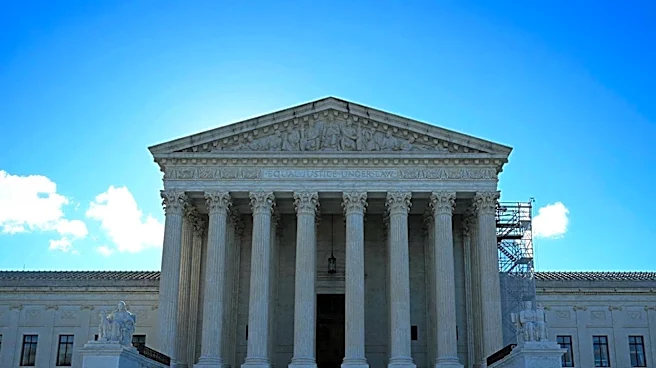
The Maui Police Department (MPD) has revised its policy regarding the release of mug shots and identifying information for arrested individuals, including its own officers. This change stems from a 2024 ruling by the U.S. 9th Circuit Court of Appeals,
which deemed the publication of mug shots on government websites unconstitutional, likening it to 'pretrial punishment.' The ruling was a result of a lawsuit filed by Arizona resident Brian Houston, whose mug shot was published despite charges against him later being dropped, causing reputational damage. Consequently, MPD no longer proactively publishes names and mug shots in news releases for individuals already in custody. However, the department will release this information upon request and in cases where public safety or crime prevention necessitates it, such as for dangerous fugitives or individuals with outstanding warrants. Arrest logs remain publicly accessible at the Wailuku police station.
Why It's Important?
This policy shift by the Maui Police Department is important as it reflects a broader legal and ethical re-evaluation of how law enforcement agencies balance public transparency with the rights of individuals. The 9th Circuit Court's ruling, which covers Hawaii and the West Coast, sets a significant precedent that could influence other police departments across the U.S. to adopt similar policies. This move aims to protect individuals from potential reputational harm and 'pretrial punishment' when charges are later dropped or they are found not guilty. While it safeguards individual rights, it also creates a new dynamic for media outlets and the public seeking information on arrests, requiring them to actively request details rather than relying on proactive releases. This change could lead to increased scrutiny of police transparency practices and potentially spark debates about the optimal balance between public information access and individual privacy in the digital age.
What's Next?
The Maui Police Department's new policy is likely to continue to be a subject of discussion among legal experts, civil liberties advocates, and media organizations. Other law enforcement agencies within the 9th Circuit's jurisdiction may review and potentially adjust their own mug shot release policies to align with the federal court ruling, leading to a more widespread impact across the Western U.S. Media outlets will need to adapt their reporting practices to the new information access protocols, relying more on direct requests and public records rather than press releases. There could also be legislative efforts at the state level to codify or further define guidelines for the release of arrest information, aiming to strike a clearer balance between public interest and individual rights. The ongoing implementation of this policy will serve as a case study for how police departments navigate evolving legal interpretations and public expectations regarding transparency and privacy.
Beyond the Headlines
The implications of this policy extend beyond immediate legal and media concerns, touching on the fundamental principles of justice and public perception. The concept of 'pretrial punishment' through public mug shots highlights how digital information can have lasting consequences, even when individuals are exonerated. This raises questions about the 'right to be forgotten' in the context of public records and the long-term impact of online information on individuals' lives. Furthermore, the policy could subtly shift public trust in law enforcement; while some may view it as a step towards protecting individual rights, others might perceive it as a reduction in transparency. This development also underscores the increasing importance of judicial rulings in shaping police practices and the need for continuous adaptation by institutions to evolving legal and ethical standards in the digital era. It prompts a deeper societal conversation about the responsibilities of information dissemination and the protection of individual reputations in an interconnected world.