





What's Happening?
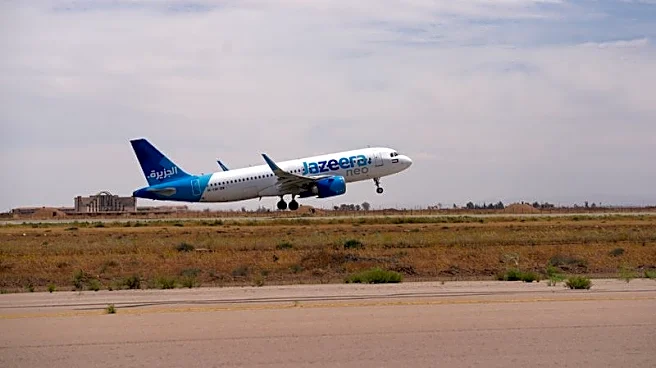
The Association of Asia Pacific Airlines (AAPA) reports that Asia-Pacific carriers are experiencing moderating international traffic growth due to ongoing geopolitical and economic uncertainties. Despite stable international passenger demand, airlines
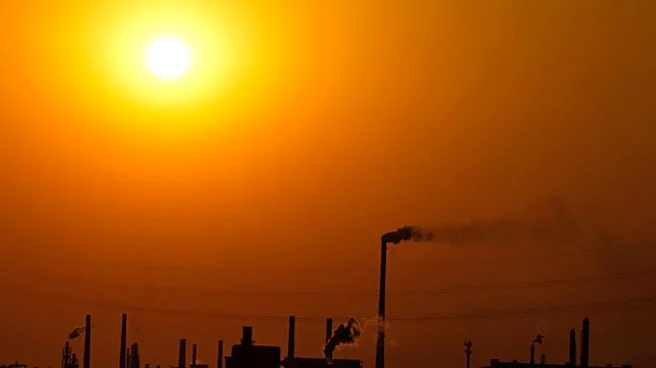
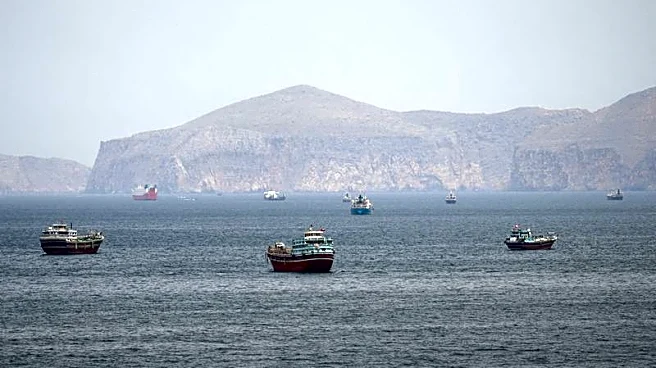
are facing increased volatility in energy markets, particularly due to the Middle East conflict, which has kept jet fuel prices elevated. This situation is intensifying cost pressures for airlines, forcing them to manage costs carefully and optimize yields without compromising safety standards. The AAPA director-general, Wong Hong, highlights the resilience of international passenger traffic, supported by sustained demand on longer-haul routes, but warns that these challenges will continue to weigh on the outlook in the near term.
Why It's Important?
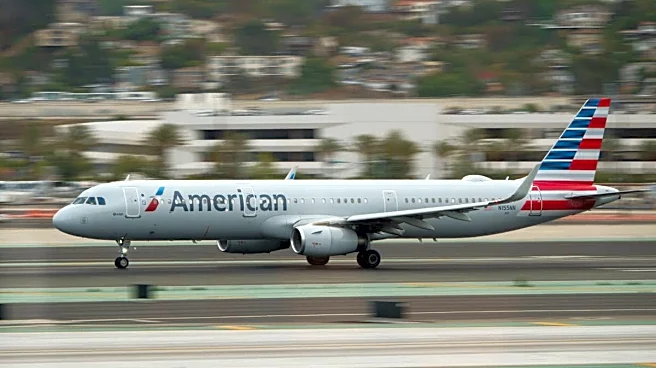
The economic pressures faced by Asia-Pacific airlines have significant implications for the global aviation industry, including U.S. carriers that operate in the region. Elevated fuel prices and geopolitical uncertainties can lead to increased operational costs, affecting profitability and potentially leading to higher ticket prices for consumers. The situation underscores the interconnectedness of global markets, where regional conflicts can have far-reaching impacts on industries worldwide. U.S. airlines may need to adjust their strategies in response to these challenges, focusing on cost management and capacity optimization to maintain competitiveness.
What's Next?
Asia-Pacific airlines are expected to continue navigating these economic challenges by deploying capacity strategically and managing costs. The ongoing Middle East conflict and its impact on energy markets will likely remain a key concern, influencing fuel prices and operational expenses. Airlines may explore alternative fuel sources or efficiency measures to mitigate these pressures. Additionally, the industry will closely monitor geopolitical developments and their potential effects on travel demand and market stability.