





What's Happening?
Regenerating nerve endings after a C-section can lead to sensations such as intense itch, pins-and-needles, or localized numbness, according to information on scar healing. This occurs because the transverse lower abdominal incision severs fine sensory
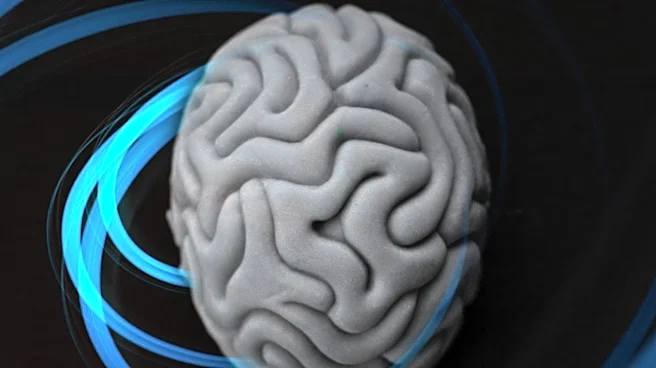
and autonomic nerve branches. As severed axons attempt to re-establish neural pathways, they form regenerating nerve sprouts that exhibit spontaneous electrical firing. The brain frequently misinterprets these disorganized electrical signals, resulting in dysesthesia. Mayo Clinic guidance on C-section recovery indicates that cutaneous sensations fluctuate as deeper tissues mend, and regenerating nerve endings remain hypersensitive to external pressure, temperature shifts, and minor skin stretching until complete axonal remyelination. The healing process involves an inflammatory phase where mast cells release histamines, stimulating C-nerve fibers and causing an acute pruritic response. During the proliferative phase, fibroblasts synthesize collagen, creating physical tension that stimulates mechanoreceptors. The final maturation phase, which can last up to two years, involves collagen remodeling and produces intermittent pulling and tingling sensations.
Why It's Important?
Understanding the neurobiological basis of C-section scar itching is crucial for improving postpartum care and patient comfort. The misinterpretation of disorganized electrical signals by the brain highlights the complex interplay between nerve regeneration and sensory perception. This knowledge can lead to more targeted and effective treatments for managing post-operative pruritus, which affects many individuals recovering from C-sections. By recognizing that the itch is a natural physiological response to nerve healing, healthcare providers can better educate patients and manage their expectations. Furthermore, the development of non-invasive interventions, such as cool compresses, fragrance-free moisturizers, and medical-grade silicone, can significantly alleviate discomfort. This also underscores the importance of structured sensory re-education protocols and myofascial mobilization techniques to retrain cortical mapping and reduce restrictive fascial adhesions, ultimately enhancing the quality of life for individuals experiencing persistent pruritus.
What's Next?
Future efforts will likely focus on refining existing non-invasive interventions and exploring new therapeutic strategies to manage C-section scar pruritus. Continued research into nerve desensitization techniques and scar tissue massage protocols will aim to optimize outcomes by providing structured input to the central nervous system, thereby dampening inappropriate itch signals. Healthcare providers will continue to emphasize the importance of consistent, gentle wound care and adherence to recommended recovery practices. For persistent or severe symptoms, medical evaluation will remain critical to rule out complications such as infection or abnormal collagen synthesis, which may require interventions like intralesional corticosteroids, energy-based devices, or surgical revision. The ongoing development of evidence-based guidelines will help ensure that individuals receive the most effective and safest care throughout their postpartum healing journey.
Beyond the Headlines
The phenomenon of C-section scar itching extends beyond mere physical discomfort, touching upon broader aspects of neurological interpretation and the body's healing mechanisms. The brain's misinterpretation of regenerating nerve signals offers a unique insight into how sensory information is processed and can go awry during recovery from trauma or surgery. This highlights the intricate connection between the peripheral nervous system and the central nervous system, and how disruptions in this communication can manifest as persistent, bothersome sensations. The long-term implications of such nerve regeneration, including potential chronic pain or altered sensation, warrant further investigation. Moreover, the psychological impact of persistent itching and discomfort on new mothers, already navigating significant life changes, should not be underestimated. Addressing these sensory challenges effectively can contribute to a more holistic and supportive postpartum recovery experience, emphasizing the need for integrated care that considers both the physical and emotional well-being of patients.