







What's Happening?
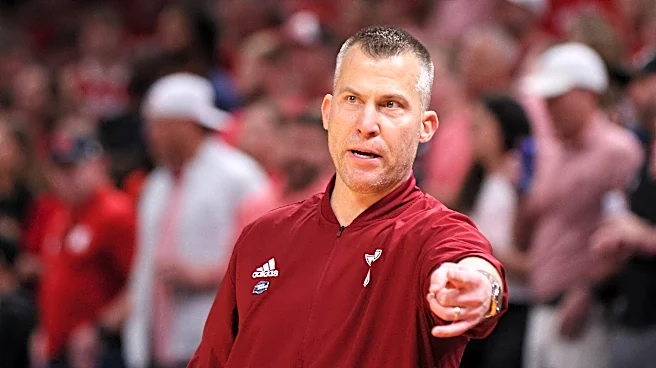
Carmel Police Department (CPD) Chief Drake Sterling has been named a recipient of the 2026 IACP 40 Under 40 Award by the International Association of Chiefs of Police (IACP). This global recognition honors 40 law enforcement leaders under the age of 40 who
have demonstrated exceptional leadership, fostered innovation, and shown a strong commitment to both the policing profession and their communities. The 2026 awardees represent a diverse group of leaders from the United States and five other countries. Mayor Finkam praised Chief Sterling, highlighting his dedication, problem-solving skills, and strong community connection. Chief Sterling, a graduate of the FBI National Academy, has been instrumental in modernizing CPD operations, enhancing officer well-being, and improving community safety since his appointment as chief in 2024. He has expanded a comprehensive officer wellness program and launched one of Indiana’s first Drone as First Responder programs to improve situational awareness and emergency response times. The awardees were formally recognized at the IACP Annual Conference and Exposition in Orlando, Florida, on October 26.
Why It's Important?
This award underscores the evolving landscape of law enforcement leadership in the U.S., emphasizing innovation, community engagement, and officer well-being. Chief Sterling's initiatives, such as the comprehensive officer wellness program and the Drone as First Responder program, set a precedent for other police departments nationwide. The focus on mental and physical health for officers addresses critical issues within the profession, potentially leading to improved morale, retention, and overall effectiveness. The integration of advanced technology like drones for emergency response highlights a shift towards more efficient and data-driven policing, which can enhance public safety and optimize resource allocation. This recognition also elevates Carmel, Indiana, as a community at the forefront of modern policing practices, potentially attracting talent and investment in public safety infrastructure. The IACP's global reach in recognizing such leaders suggests a broader international trend towards progressive law enforcement strategies that U.S. departments can learn from and adapt.
What's Next?
Following this recognition, Chief Sterling is expected to continue his leadership in implementing advanced policing strategies within the Carmel Police Department. His role as director-at-large on the Indiana Association of Chiefs of Police and his involvement in regional boards advocating for youth services and crime reduction suggest he will likely influence broader law enforcement policies and practices across Indiana. Other police departments, both within Indiana and nationally, may look to Carmel's initiatives, such as the officer wellness program and the Drone as First Responder program, as models for their own modernization efforts. This award could also lead to increased collaboration between the Carmel Police Department and other law enforcement agencies, fostering the exchange of best practices and innovative solutions. Furthermore, Chief Sterling's continued advocacy for youth services and crime reduction indicates a sustained focus on community-oriented policing, which could lead to new programs and partnerships aimed at addressing root causes of crime and fostering stronger community-police relations.
Beyond the Headlines
The recognition of Chief Sterling highlights a significant cultural shift within law enforcement towards prioritizing officer well-being and embracing technological advancements. The emphasis on mental and physical health for officers acknowledges the immense pressures of the job and aims to create a more resilient and effective police force. This move could help destigmatize mental health issues among first responders and encourage a more holistic approach to officer support. The adoption of 'Drone as First Responder' programs also raises important ethical and legal considerations regarding privacy, surveillance, and the appropriate use of technology in policing. While these programs can enhance emergency response, they also necessitate robust oversight and clear guidelines to ensure civil liberties are protected. This development reflects a broader societal debate about balancing security needs with individual rights in an increasingly technologically advanced world. The award also reinforces the idea that effective leadership in law enforcement now requires a blend of traditional policing skills with an innovative, community-focused, and technologically adept mindset.