





What's Happening?
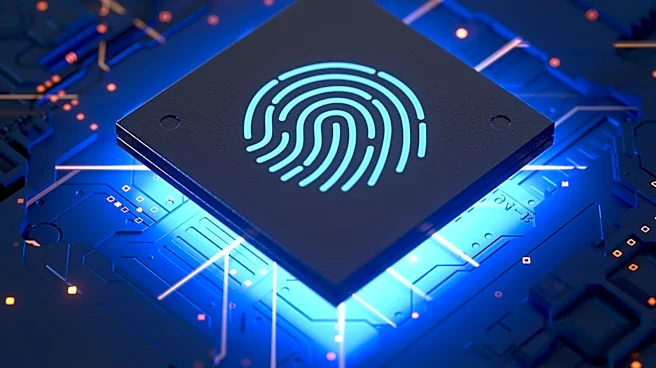
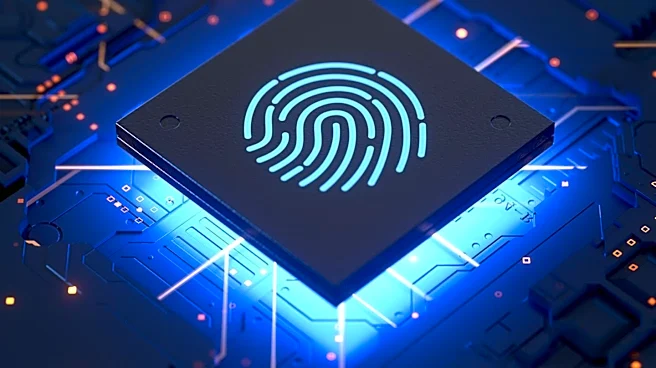
Biometric authentication, a security method utilizing unique physical or behavioral traits like fingerprints or facial recognition, is becoming a common tool for identity verification. This technology is frequently integrated into laptops and smartphones
to enhance security beyond traditional passwords. It forms a crucial component of multi-factor authentication (MFA), which combines various verification methods to create a more robust defense against unauthorized access. While physical biometrics relies on static traits, behavioral biometrics analyzes dynamic interactions such as typing rhythm or mouse movements to continuously authenticate users. This adaptive approach allows systems to assess whether additional verification is needed based on user behavior and location, making it harder for attackers to gain access even with stolen credentials.
Why It's Important?
The increasing adoption of biometric authentication is vital in combating sophisticated cyber threats like phishing and account takeovers. By requiring a 'something you are' factor, biometrics significantly raises the bar for attackers, as stealing a physical trait is far more difficult than stealing a password. This is particularly important for sensitive data and financial transactions, where the risk of fraud is high. For businesses, implementing strong MFA with biometric components can help protect sensitive information, reduce account takeover risks, and secure remote access for employees. Furthermore, some security standards and regulations are beginning to mandate MFA, making biometric solutions a key factor in achieving compliance and maintaining trust with customers and stakeholders.
What's Next?
The future of biometric authentication is likely to see continued integration with other advanced security measures, such as passkeys and FIDO2 security keys, to create even more phishing-resistant authentication methods. There will be an ongoing focus on refining behavioral biometrics to provide continuous, low-friction authentication, especially in sectors like financial services. This involves developing systems that can feed behavioral signals into identity and access management platforms for real-time decision-making. Organizations will also need to address the governance and privacy implications of collecting biometric data, ensuring transparency with employees and customers, and adhering to evolving regulations like GDPR and CCPA. Regular testing and review of MFA settings will be crucial to adapt to new threats and maintain optimal security.
Beyond the Headlines
The widespread adoption of biometric authentication raises significant ethical and legal considerations regarding data privacy and surveillance. While offering enhanced security, the collection and storage of unique personal identifiers necessitate robust safeguards against misuse and breaches. The potential for 'MFA fatigue attacks,' where users are bombarded with authentication requests until they inadvertently approve one, highlights the ongoing cat-and-mouse game between security measures and attacker tactics. Moreover, the reliance on biometric data could lead to questions about individual autonomy and the potential for discrimination if systems are not designed with fairness and accuracy in mind. The balance between convenience, security, and privacy will remain a critical challenge as biometric technologies become more pervasive.