
What's Happening?
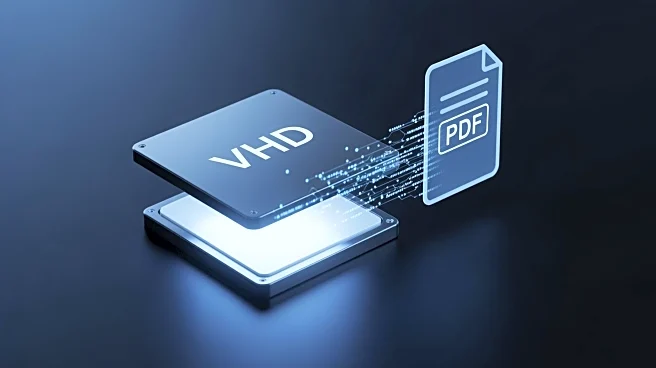
A newly identified malware, PDFSider, is being used by multiple ransomware groups in targeted attacks, according to cybersecurity firm Resecurity. PDFSider is designed to deploy a backdoor with encrypted
command-and-control capabilities, allowing attackers to perform cyberespionage and remote code execution. The malware is sideloaded via the legitimate PDF24 Creator application, which is delivered to victims through spear-phishing emails. Once activated, PDFSider operates primarily in memory, establishing communication, harvesting system information, and initiating a backdoor loop. The malware's advanced features include environment validation to detect virtual environments and analysis tools, making it attractive to cybercriminals. It also employs DLL sideloading for delivery, a technique favored by both APTs and cybercriminals for evading detection.
Why It's Important?
The use of PDFSider by ransomware groups highlights the evolving sophistication of cyber threats facing U.S. corporations. The malware's ability to evade detection and execute remote commands poses significant risks to corporate security, potentially leading to data breaches and financial losses. The involvement of advanced persistent threats (APTs) and cybercriminals in utilizing such malware underscores the need for robust cybersecurity measures. Companies, especially those in the Fortune 100, must remain vigilant against spear-phishing attacks and ensure their security systems are capable of detecting and mitigating such threats. The broader impact on the U.S. economy could be substantial if these attacks lead to significant disruptions in business operations.
What's Next?
Organizations are likely to enhance their cybersecurity protocols in response to the threat posed by PDFSider. This may include increased investment in advanced threat detection systems and employee training to recognize spear-phishing attempts. Cybersecurity firms may also develop new tools and strategies to counteract the specific techniques used by PDFSider, such as DLL sideloading. Additionally, there may be increased collaboration between private companies and government agencies to share intelligence and strengthen defenses against such sophisticated malware attacks.