






What's Happening?
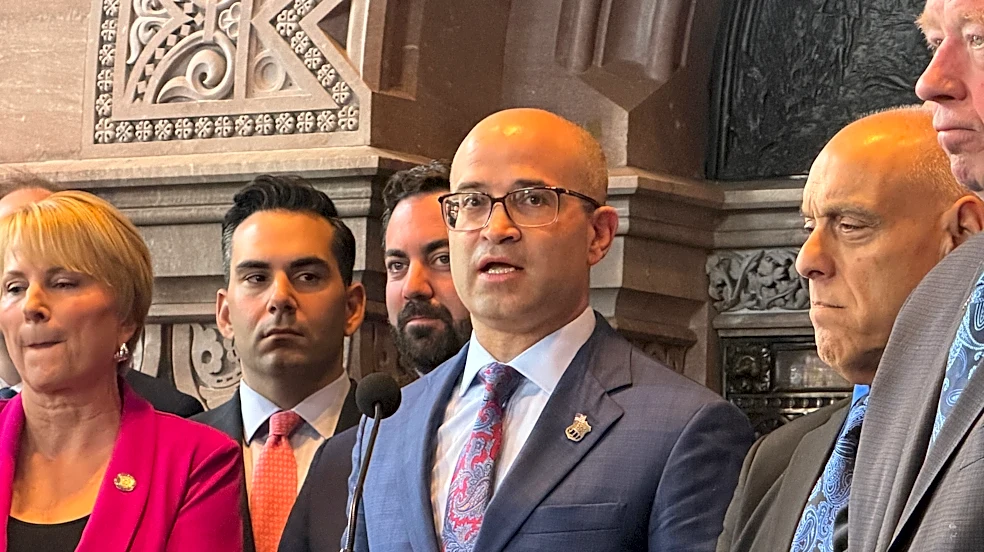
New York Governor Kathy Hochul announced 16 arrests related to nearly $500,000 in alleged attempted auto insurance fraud. This announcement comes months after a significant overhaul of New York's insurance laws earlier this year, which aimed to intensify
efforts against such fraudulent activities. The arrests are presented as direct evidence of the effectiveness of the state's strengthened crackdown on insurance fraud. The cases involve individuals attempting to defraud auto insurance companies, highlighting the ongoing challenge of maintaining integrity within the insurance system. Governor Hochul's administration has made combating insurance fraud a key priority, recognizing its impact on consumers and the broader economy.
Why It's Important?
This crackdown is important for New York residents and the U.S. insurance industry as a whole. Auto insurance fraud contributes to higher premiums for honest policyholders, costing consumers millions annually. By aggressively pursuing and prosecuting fraudulent claims, the state aims to deter future criminal activity, thereby stabilizing insurance costs and ensuring fairness for all. The success of New York's overhauled insurance laws could serve as a model for other states grappling with similar issues, potentially leading to a nationwide trend of stricter enforcement and legislative reforms. For insurance companies, these arrests signify a more favorable operating environment, reducing their financial losses due to fraud and allowing them to allocate resources more effectively. This initiative also reinforces public trust in the insurance system, demonstrating that authorities are actively working to protect consumers from illicit practices.
What's Next?
Following these arrests, the legal proceedings against the 16 individuals will commence, potentially leading to convictions and further deterrence. Governor Hochul's administration will likely continue to monitor the impact of the insurance overhaul and may consider additional measures if necessary. Other states and federal agencies will likely observe New York's approach and its outcomes, potentially influencing their own strategies for combating insurance fraud. Insurance companies may also enhance their internal fraud detection mechanisms, leveraging data analytics and artificial intelligence to identify suspicious claims more efficiently. Public awareness campaigns about the consequences of insurance fraud might also be launched to educate citizens and encourage reporting of suspicious activities, further strengthening the collective effort against this crime.
Beyond the Headlines
The issue of insurance fraud extends beyond mere financial losses; it erodes the foundational trust necessary for the insurance system to function effectively. When fraud is rampant, it undermines the principle of shared risk and responsibility, making insurance less accessible and more expensive for everyone. This crackdown highlights the ethical imperative for individuals to act with integrity in financial dealings and the legal consequences of failing to do so. Culturally, it reflects a societal commitment to fairness and accountability, where those who attempt to exploit the system are held responsible. The long-term implications include a potentially more robust and equitable insurance market in New York, fostering greater economic stability and consumer confidence. It also underscores the continuous need for vigilance and adaptation in regulatory frameworks to counter evolving methods of fraud.