






What's Happening?
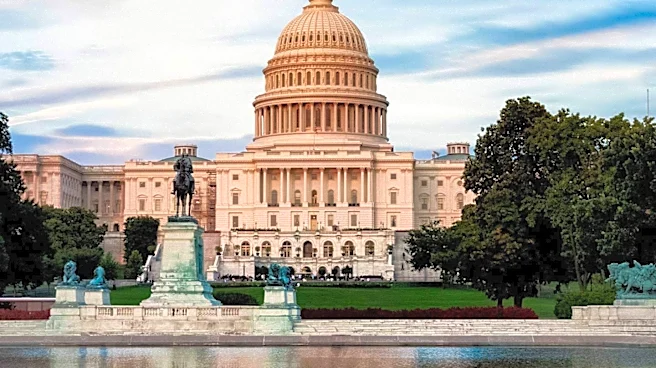
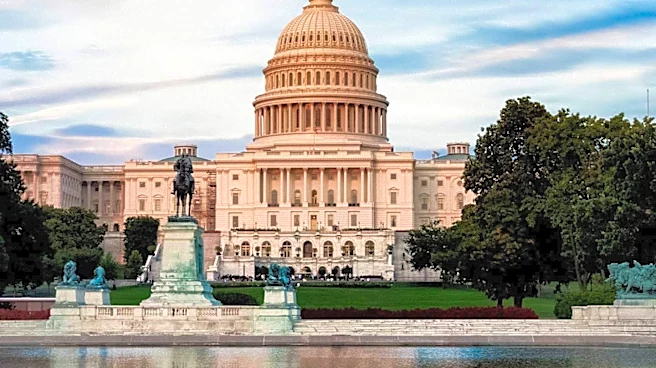
U.S. Senator Brian Schatz (D-HI) recently met with cancer survivors and advocates in Washington, D.C., to push for increased federal funding for cancer research and prevention programs. A key focus of these discussions was the Clinical Trial Modernization
Act. This proposed legislation aims to eliminate financial barriers that currently prevent many individuals, particularly those from underrepresented groups and rural areas, from participating in clinical trials. Michelle Lavarre, a cancer survivor from Kaua'i, was among the advocates who shared personal experiences and professional insights with Senator Schatz and other federal lawmakers, including U.S. Rep. Ed Case. Their collective effort is part of a broader initiative, the annual Leadership Summit and Lobby Day sponsored by the American Cancer Society Cancer Action Network, which brought together approximately 800 cancer patients, survivors, and advocates to engage with policymakers.
Why It's Important?
The push for the Clinical Trial Modernization Act and increased cancer research funding is critical for several reasons. Historically, substantial and consistent federal investment in cancer research has led to significant advancements, evidenced by a 34% decline in cancer mortality rates over the past three decades. Continued funding for agencies like the National Institutes of Health, the National Cancer Institute, and the Centers for Disease Control and Prevention is essential to maintain this momentum. The Clinical Trial Modernization Act specifically addresses inequities in healthcare access, aiming to diversify clinical trial participation. By removing financial obstacles, the act could lead to more inclusive research, ensuring that new treatments are effective across a wider demographic. This is particularly important for states like Hawai'i, where nearly 9,500 residents are projected to be diagnosed with cancer in 2026, highlighting the urgent need for improved patient outcomes and accessible treatment options.
What's Next?
The immediate next step involves continued advocacy for the passage of the Clinical Trial Modernization Act in Congress. Advocates will likely maintain pressure on lawmakers to prioritize this legislation and to allocate increased funding for cancer research in upcoming federal budgets. The American Cancer Society Cancer Action Network and similar organizations will continue to mobilize cancer patients, survivors, and their families to share their stories and underscore the human impact of cancer. The legislative process will involve committee hearings, debates, and votes, with proponents aiming to build bipartisan support for the bill. Success in passing the act would lead to the implementation of new policies designed to make clinical trials more accessible, potentially altering the landscape of cancer treatment development and patient care in the U.S.
Beyond the Headlines
Beyond the immediate legislative goals, the advocacy for the Clinical Trial Modernization Act touches upon deeper societal issues related to health equity and scientific progress. The act's focus on removing financial barriers and increasing participation from underrepresented groups highlights a systemic challenge in medical research: the disproportionate impact of diseases and the unequal access to cutting-edge treatments. By ensuring broader participation in clinical trials, the legislation could lead to more robust and generalizable research findings, ultimately benefiting a more diverse patient population. This initiative also underscores the ethical imperative to ensure that advancements in medicine are accessible to all, not just those with financial means or geographic proximity to major research centers. It represents a step towards a more inclusive healthcare system where the benefits of scientific discovery are shared more equitably across the nation.