






What's Happening?
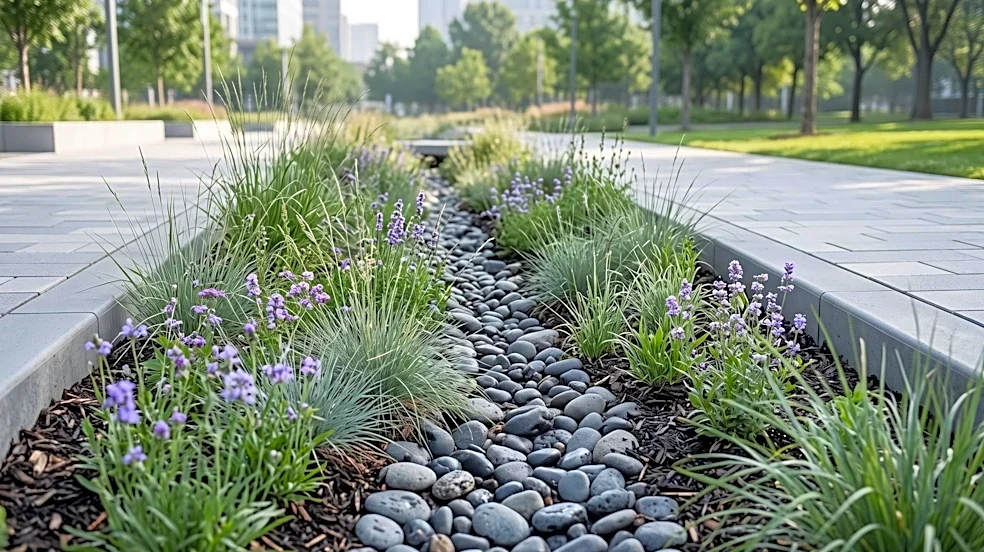
The St. Petersburg City Council has unanimously approved a resolution requiring the city to prioritize nature-based solutions for all future stormwater infrastructure projects. This policy makes St. Petersburg the first city in Florida to adopt such a mandate,
according to Public Works Administrator Claude Tankersley. The initiative aims for a hybrid approach, integrating conventional 'gray' construction with natural 'green' solutions. The city's Health, Energy, Resilience and Sustainability Committee (HERS) had previously endorsed the policy. Council Member Gina Driscoll expressed enthusiasm for the city's commitment to seriously consider nature-based approaches first. The city has already incorporated nature-based designs, such as trees and green space, into projects like the St. Pete Pier and plans to use HydroPlanters for a $7 million stormwater project near the 54th Avenue North canal. While the mandate requires initial consideration of nature-based options, conventional construction may still be used if green solutions prove too expensive for specific projects.
Why It's Important?
This policy is significant for St. Petersburg as it positions the city at the forefront of environmental resilience and sustainable urban development in Florida. By prioritizing nature-based solutions, the city aims to enhance its ability to manage stormwater, reduce flooding, and protect its environment. Public Works Administrator Claude Tankersley noted that this approach could make St. Petersburg more competitive for state grants, as many grant programs award extra points for projects incorporating natural solutions that benefit the environment and address flooding. Will Michaels, Resiliency Chair of the Council of Neighborhood Associations Committee, supported the move, highlighting the potential of mangroves and swales to mitigate storm damage. This shift could lead to a more resilient urban landscape, improved water quality, and increased biodiversity, benefiting residents and local ecosystems. It also sets a precedent for other Florida cities to consider similar policies, potentially driving broader adoption of green infrastructure across the state.
What's Next?
Following the approval, St. Petersburg's Public Works department will begin implementing the new policy, ensuring that nature-based solutions are the primary consideration for all new stormwater infrastructure projects. The city council also approved the creation of a Resilience Advisory Committee and a General Obligation Advisory Committee. The latter committee will become active if voters approve a $600 million referendum in the November election, which is intended to accelerate stormwater projects. This GO bond committee would provide transparency and include citizen representation from each district. The city will likely continue to explore and integrate various green infrastructure techniques, such as bioswales, permeable pavements, and rain gardens, into its urban planning. The success of St. Petersburg's approach could influence other municipalities to adopt similar policies, potentially leading to a broader trend of nature-based urban development across the U.S. as cities seek to enhance climate resilience and secure grant funding.
Beyond the Headlines
The St. Petersburg City Council's decision reflects a growing national and international trend towards integrating ecological principles into urban infrastructure planning. This move goes beyond mere flood control, touching upon broader themes of urban sustainability, climate adaptation, and community engagement. By prioritizing nature-based solutions, St. Petersburg is not only addressing immediate stormwater challenges but also investing in the long-term ecological health and aesthetic appeal of the city. The policy's emphasis on a 'hybrid approach' acknowledges the practical realities of urban development, where a balance between traditional engineering and natural systems is often necessary. Furthermore, the potential for increased grant funding highlights the economic incentives driving such environmental initiatives, demonstrating how ecological responsibility can align with financial benefits. This policy could foster greater public awareness and appreciation for green infrastructure, encouraging residents to support and even participate in local environmental efforts, thereby strengthening community resilience and environmental stewardship.