




What's Happening?
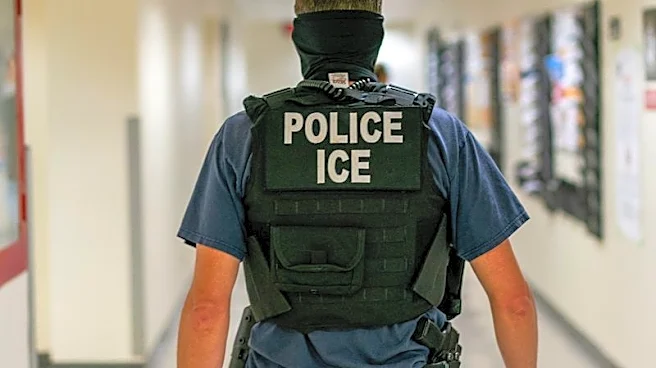
Boston Mayor Michelle Wu has formally warned private property owners in the city against leasing parking spaces to U.S. Immigration and Customs Enforcement (ICE). Mayor Wu sent a letter to garage and lot owners, urging them to reject ICE's requests for 'surge
parking' facilities. She stated that such an arrangement would constitute an 'unwarranted escalation' in federal immigration enforcement within Boston, potentially posing significant risks to public safety and economic activity. The mayor's office also announced plans to use public records law to identify any private property owners who express interest in leasing to ICE, allowing the city to contact them and reiterate its opposition. This action follows a public notice from ICE seeking 249 contiguous parking spaces in Boston as part of a broader market research effort in 14 cities.
Why It's Important?
Mayor Wu's directive highlights a significant point of tension between local and federal authorities regarding immigration enforcement. This move could impact ICE's operational capabilities in Boston, potentially hindering their ability to conduct 'surge operations' if they cannot secure necessary logistical support like parking. For private property owners, the mayor's warning creates a dilemma, as they must weigh potential financial benefits from leasing to ICE against the city's strong opposition and potential public scrutiny. The situation also underscores the ongoing debate about 'sanctuary city' policies, where local governments limit cooperation with federal immigration agencies. This conflict could set a precedent for how other cities respond to similar federal requests, influencing the balance of power between municipal and federal jurisdictions on immigration matters.
What's Next?
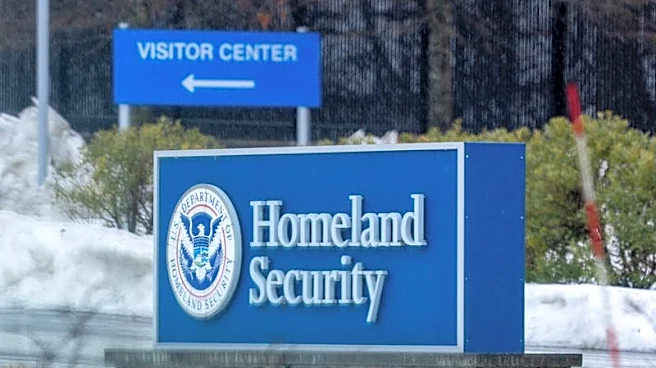
The City of Boston has submitted a Freedom of Information Act (FOIA) request to identify private property owners who have responded to ICE's parking solicitation. Once identified, these entities will likely be contacted by the city to be informed of Mayor Wu's stance and the city's opposition to facilitating ICE operations. ICE Boston has already publicly criticized Mayor Wu's actions, indicating a continued federal pushback against the city's policies. The Department of Homeland Security (DHS) has also weighed in, asserting that Mayor Wu lacks the authority to block private property owners from leasing to federal law enforcement. This suggests a potential for further legal or political challenges as both sides continue to assert their positions. The outcome could influence future interactions between federal immigration agencies and local governments in other U.S. cities.
Beyond the Headlines
This situation delves into the complex legal and ethical dimensions of federalism and local autonomy. While federal law generally supersedes local ordinances, cities often assert their right to govern local affairs, including how they interact with federal agencies. The mayor's appeal to private property owners, rather than a direct prohibition, reflects the limits of municipal power in this context. The public records request also raises questions about transparency and potential public pressure on private entities. This conflict is not merely about parking spaces; it symbolizes a broader ideological struggle over immigration policy, human rights, and the role of local communities in shaping national issues. The long-term implications could include shifts in how federal agencies operate in cities with differing political views and how local governments mobilize public and private support for their policies.