

What's Happening?
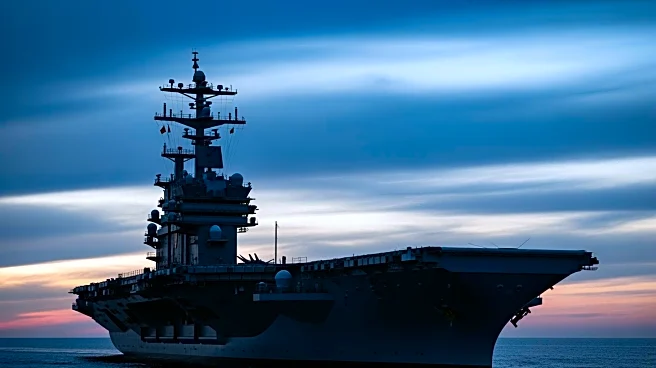
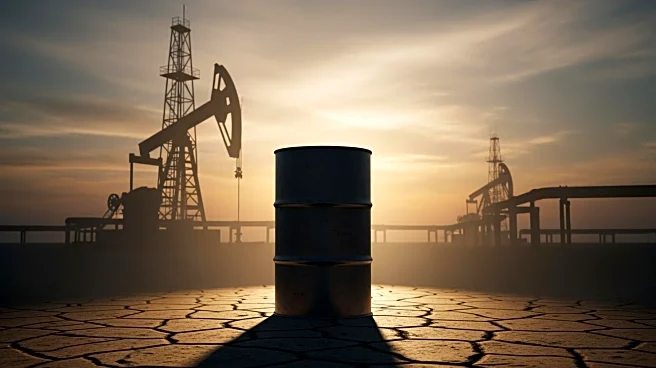
President Trump has announced a partial naval blockade targeting sanctioned oil tankers to and from Venezuela. This policy follows the seizure of a tanker and aims to restrict Venezuela's oil exports. The blockade excludes Chevron's operations, which
are permitted under a Treasury license. Chevron's projects in Venezuela produce about a third of the country's oil, with some output going to Chevron's refineries. The partial blockade seeks to avoid the legal implications of a full-scale shutdown, which could be considered an act of war under international law.
Why It's Important?
The partial blockade reflects a strategic approach to pressure the Venezuelan government while maintaining legal boundaries. By allowing Chevron's operations to continue, the U.S. avoids disrupting its own economic interests and those of its allies. The blockade could further isolate Venezuela economically, impacting its ability to generate revenue from oil exports. This move underscores the U.S.'s commitment to challenging the Maduro regime and could influence international perceptions of U.S. foreign policy.
What's Next?
The effectiveness of the partial blockade in achieving U.S. objectives will depend on international reactions and Venezuela's response. The situation may lead to diplomatic negotiations or further economic measures. The U.S. may face scrutiny from the international community regarding the legality and implications of the blockade. The outcome could influence future U.S. foreign policy decisions and its approach to international conflicts.