






What's Happening?
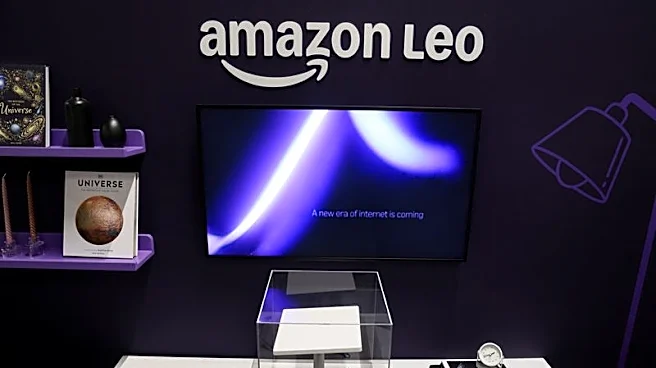
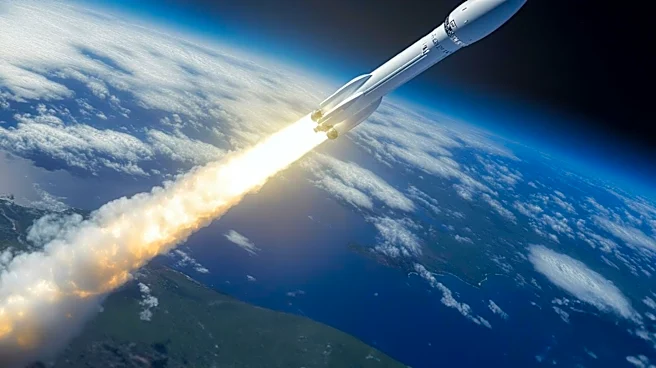
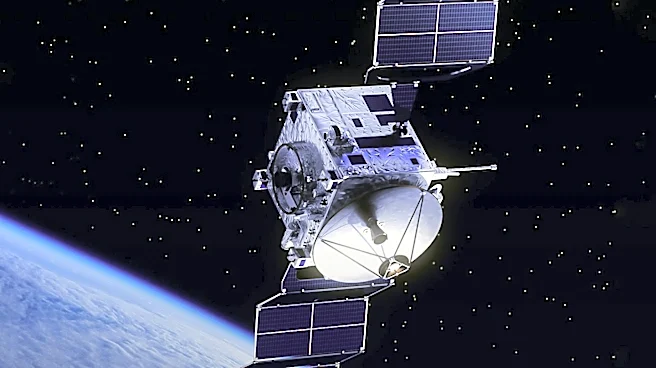
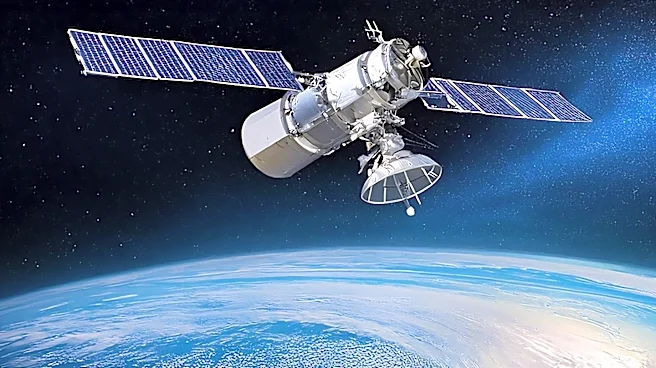
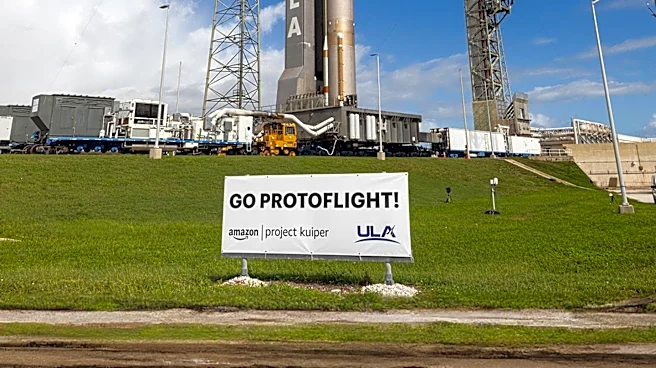
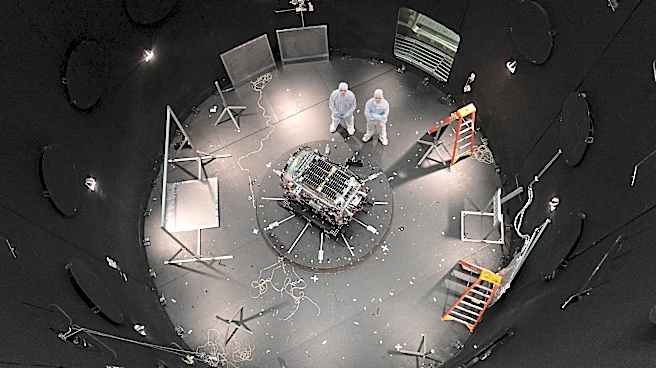
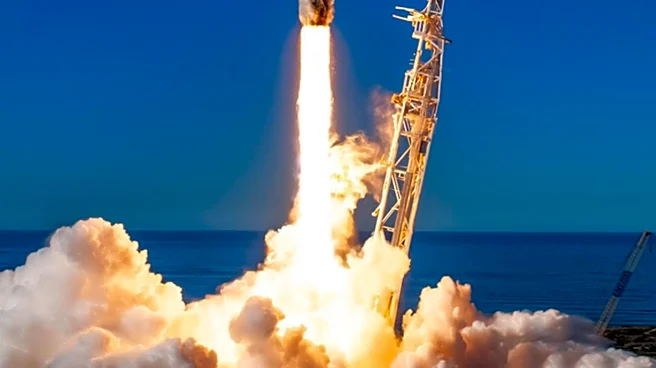
A United Launch Alliance (ULA) Atlas V rocket successfully launched 29 Amazon Leo broadband satellites into orbit from Cape Canaveral Space Force Station in Florida. This mission, which took place at 12:30 a.m. ET on July 2, 2026, marks the final flight
of the Atlas V 551 configuration after 24 years of service. The launch is part of Amazon Leo's efforts to expand its satellite internet constellation, which aims to provide global broadband connectivity. The Amazon Leo constellation, a subsidiary of Amazon, has now surpassed 365 active satellites in orbit, with a goal to deploy a total of 3,236 satellites. The Federal Communications Commission (FCC) authorized the full constellation in July 2020, requiring at least 50% of the satellites to be in orbit by July 2026.
Why It's Important?
The completion of this mission signifies a major milestone for both Amazon and ULA. For Amazon, the deployment of these satellites is crucial in its competition with SpaceX's Starlink network, as both companies aim to provide global broadband services. The successful launch also highlights ULA's transition from the Atlas V to the newer Vulcan rocket, which is designed to be more cost-effective and capable. This shift reflects broader trends in the aerospace industry towards more efficient launch vehicles. The Vulcan rocket has already been approved by the U.S. Space Force for national security missions, positioning it as a successor to both the Atlas V and the retired Delta IV Heavy.
What's Next?
Following this final Atlas V mission, ULA will focus on the Vulcan rocket for future launches. Amazon's Leo constellation will continue to expand, with future launches expected to involve a mix of providers, including Arianespace, Blue Origin, and SpaceX. This diversification in launch providers is intended to accelerate the deployment of the full satellite network. Additionally, the remaining Atlas V rockets will be used for Boeing Starliner crewed missions before the rocket is fully retired.