


What's Happening?
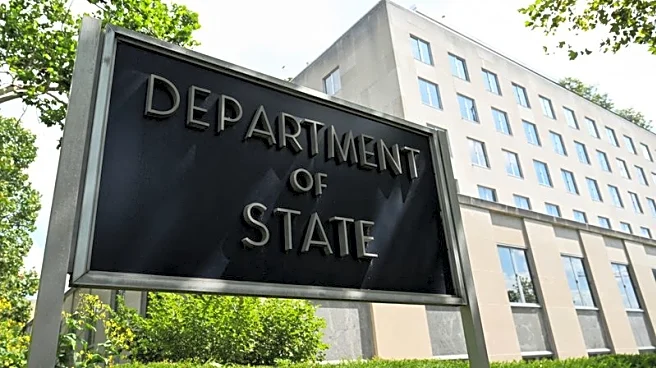
The federal government, under President Trump's administration, has initiated a significant rollback of electric vehicle (EV) infrastructure and support. On January 20, 2025, President Trump issued an executive order titled 'Unleashing American Energy,'
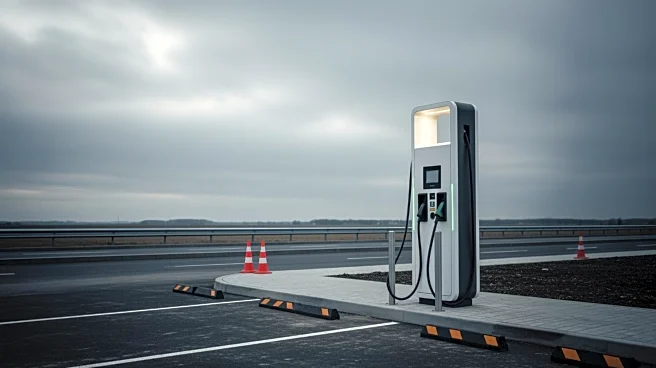
which aimed to eliminate mandates and subsidies favoring electric vehicles. Following this, the General Services Administration (GSA) issued a directive to halt new EV charging station installations at federal facilities unless deemed 'mission-critical.' This move has led to the shutdown of several charging stations, including those at the Federal Building in Denver and the Richard Bolling Federal Building in Kansas City. The GSA had previously authorized $25 million for EV charging ports, but the status of these installations remains uncertain. Additionally, the administration has frozen $5 billion in funding for EV infrastructure under the National Electric Vehicle Infrastructure (NEVI) Formula Program, although a federal judge later overturned this freeze.
Why It's Important?
The rollback of EV initiatives by the federal government could have significant implications for the U.S. automotive and energy sectors. By reducing support for electric vehicles, the administration's actions may slow the transition to cleaner transportation technologies, potentially affecting environmental goals and the growth of the EV market. This shift could benefit traditional fossil fuel industries while posing challenges for companies invested in EV technology and infrastructure. The decision to halt new charging station installations and freeze funding may also impact federal agencies and military bases that rely on EVs, potentially increasing operational costs and logistical challenges. Furthermore, the move could influence public perception and adoption of electric vehicles, as federal support often plays a crucial role in driving technological advancements and market acceptance.
What's Next?
The future of federal EV initiatives remains uncertain, with potential legal and political challenges on the horizon. Stakeholders, including environmental groups and EV manufacturers, may seek to challenge the administration's actions through legal avenues or lobbying efforts. Additionally, the outcome of future elections could influence the direction of federal energy policies, potentially reversing or reinforcing the current administration's stance. The ongoing debate over EV infrastructure and support is likely to continue, with implications for federal agencies, the automotive industry, and environmental policy. As the situation evolves, stakeholders will need to navigate a complex landscape of regulatory changes and market dynamics.