
What's Happening?
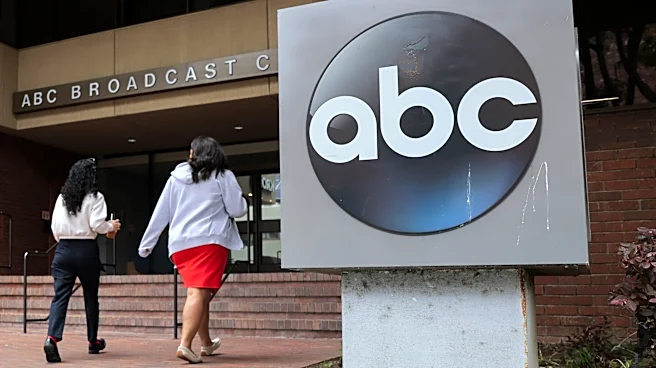
The ABC network, along with its parent company The Walt Disney Co., has filed a lawsuit against the Federal Communications Commission (FCC) in federal court. The lawsuit alleges that the Trump administration
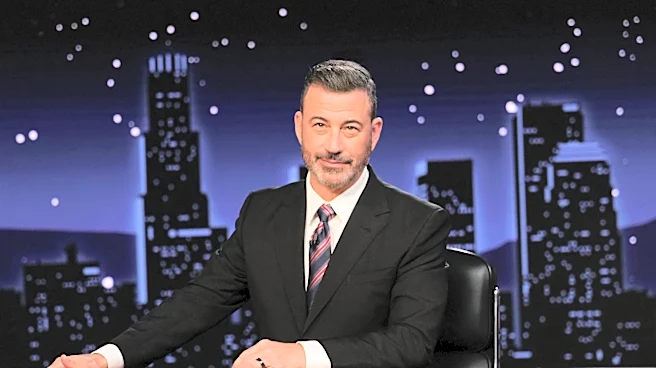
has violated ABC's First Amendment rights by initiating investigations and challenging its broadcast licenses. These actions are claimed to be in retaliation for the network's news coverage, late-night satire, and views expressed on talk shows. President Trump has reportedly called for ABC's licenses to be revoked due to content that has drawn his disapproval. The lawsuit explicitly states, "Government censorship is deeply un-American," and references a U.S. Supreme Court decision affirming that the government cannot use its power to punish or suppress disfavored expression. ABC and Disney own eight local TV stations, including those in six of the largest U.S. markets, which are crucial to their operations and require federal licenses to use public airwaves. The FCC has reportedly subjected all eight stations to early scrutiny of their license renewal processes, an unprecedented move in the modern era.
Why It's Important?
This lawsuit carries significant implications for press freedom and the regulatory independence of the FCC in the United States. If the allegations are proven, it would suggest a direct attempt by a presidential administration to leverage regulatory bodies to suppress critical media, potentially chilling free speech and journalistic integrity. The case highlights the tension between government oversight of broadcast licenses and the constitutional protection of free expression. The outcome could redefine the boundaries of presidential influence over independent agencies and media organizations. For the media industry, a ruling in favor of ABC and Disney would reinforce protections against political retaliation, while a ruling against them could set a precedent for increased government pressure on news outlets. The situation also underscores the financial vulnerability of broadcasters, as license challenges can disrupt operations and revenue streams, particularly for stations in major markets.
What's Next?
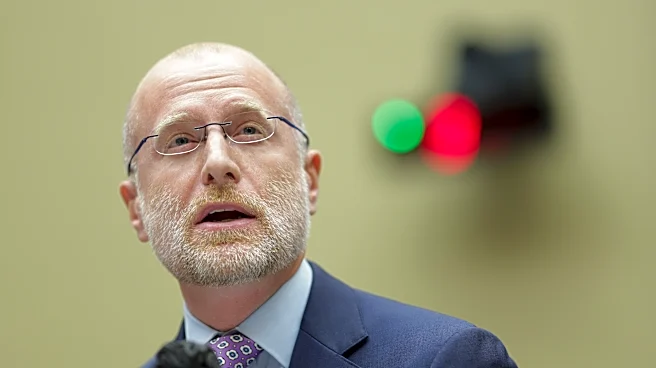
FCC Chairman Brendan Carr has stated that Disney and ABC are "jumping the gun," noting that the agency has not yet made a decision regarding license renewals. He affirmed that the FCC would continue to follow facts and law, suggesting that Disney might be concerned about how the record is developing. Carr also indicated that broadcasters are legally required to operate in the public interest and adhere to President Trump's executive order on diversity, equity, and inclusion. The legal proceedings will likely involve extensive discovery and arguments regarding the FCC's motivations and the extent of its authority. The case could proceed through federal courts, potentially reaching the Supreme Court given its First Amendment implications. The resolution of this lawsuit will be closely watched by other media companies, as similar deals were struck by Paramount, Meta, X, and Google to resolve lawsuits filed by President Trump, and private lawsuits against other major news outlets are ongoing.
Beyond the Headlines
Beyond the immediate legal battle, this case delves into the ethical and cultural dimensions of media-government relations in a polarized political landscape. The lawsuit raises fundamental questions about the role of media as a watchdog and the potential for executive power to undermine that role. The FCC, traditionally seen as a quasi-independent body, has faced scrutiny over its independence, particularly with recent court decisions reining in other semi-autonomous agencies. Chairman Carr's public support for President Trump's agenda and specific criticisms of ABC, including a warning that ABC and Disney could "do this the easy way or the hard way," further complicate the perception of the FCC's neutrality. This confrontation could trigger a long-term shift in how media organizations interact with government regulators, potentially leading to increased legal challenges and a re-evaluation of the balance between regulatory authority and constitutional rights. The case also highlights the broader struggle over narrative control and the weaponization of regulatory processes in contemporary politics.