
What's Happening?
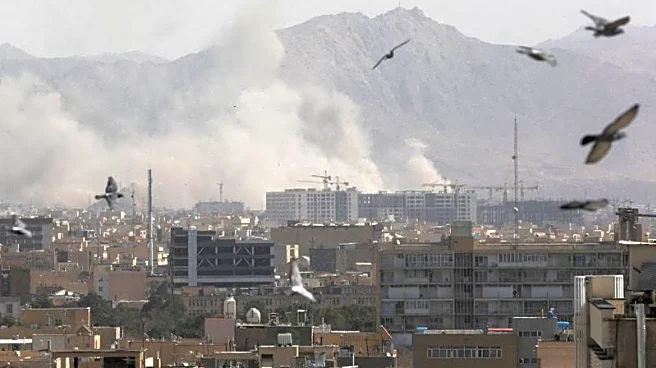
The ongoing U.S.-Iran conflict has been characterized by strategic miscalculations from both President Trump and Iran's Supreme Leader Ali Khamenei. Trump has approached the situation with a high-risk, high-reward mindset, viewing the conflict as an opportunity
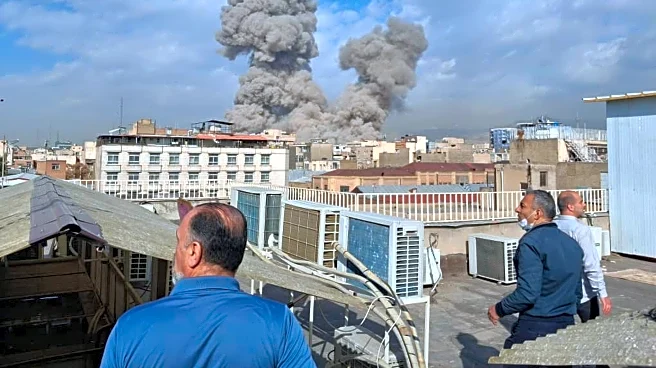
for transformative victory. Khamenei, on the other hand, sees the standoff as a fight for survival, driven by ideological rigidity. The conflict has escalated following failed negotiations and military actions, with both leaders exhibiting hubris in their strategic choices. Trump's approach has been influenced by past experiences, while Khamenei remains steadfast in his belief in the righteousness of his worldview.
Why It's Important?
The strategic miscalculations by both leaders have significant implications for the U.S.-Iran conflict and broader Middle East stability. Trump's focus on dominance and transformative victory contrasts with Khamenei's survival-driven approach, highlighting the differing stakes for each side. The conflict underscores the complexities of international diplomacy and the challenges of achieving lasting peace in the region. The situation raises concerns about the potential for further escalation and the impact on global security and economic stability. The strategic choices made by both leaders will shape the future of U.S.-Iran relations and influence broader geopolitical dynamics.
Beyond the Headlines
The conflict highlights the ethical and ideological dimensions of leadership and decision-making in international relations. Trump's performative strength and Khamenei's ideological rigidity reflect broader themes of power and survival in global politics. The situation raises questions about the role of hubris in shaping strategic choices and the potential consequences for international peace and security. The conflict serves as a reminder of the importance of diplomacy and the need for careful consideration of the long-term implications of military actions.