







What's Happening?
Research conducted at Virginia Tech’s Fralin Biomedical Research Institute at VTC in Roanoke has revealed that ultraprocessed foods elicit a greater insulin response compared to nutritionally similar, less processed foods. The study, published in Nature
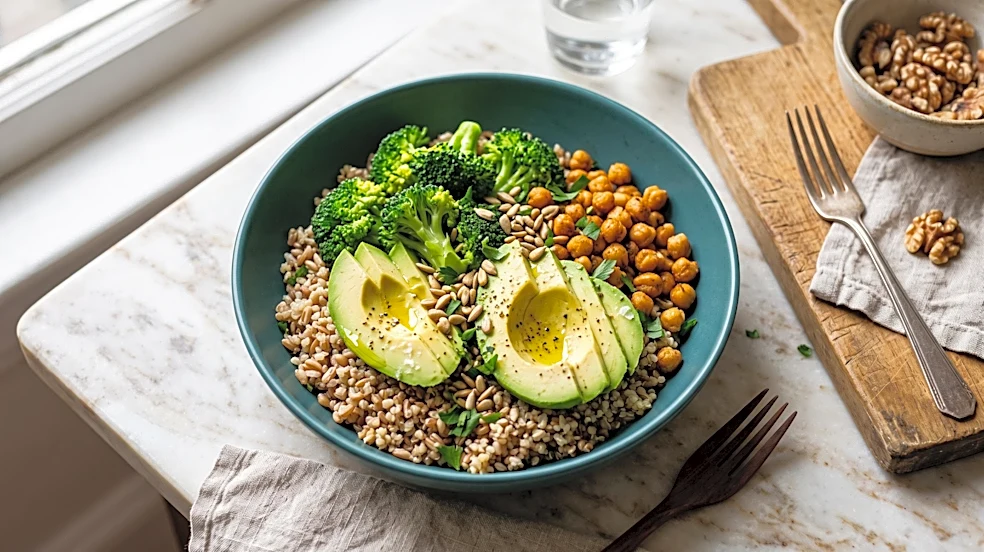
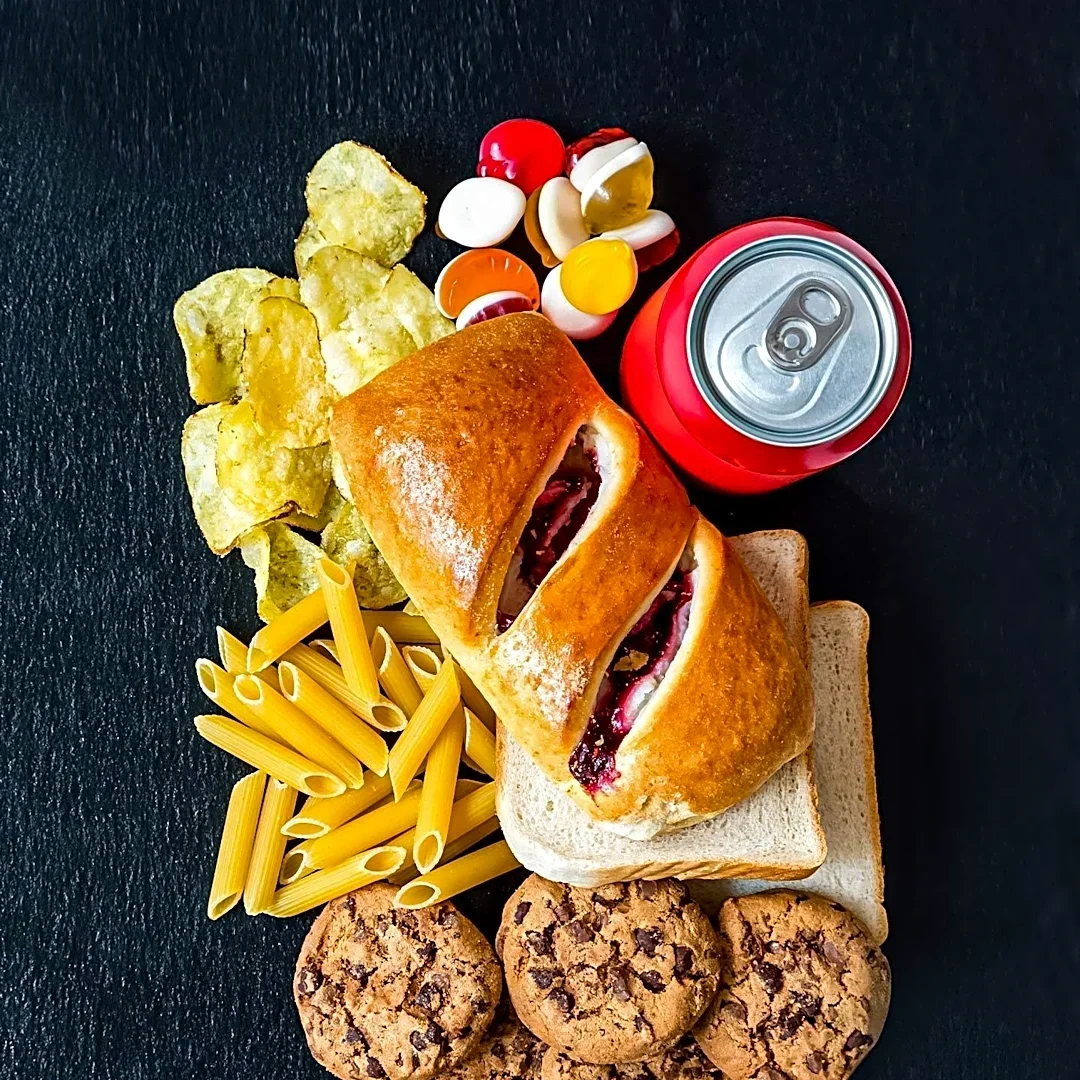
Metabolism, involved 57 healthy adults aged 18 to 45. Participants consumed two meals on separate days: one ultraprocessed, consisting of items like a peanut butter and jelly sandwich, deli turkey, veggie chips, a cookie, cereal, and instant mashed potatoes; and a comparison meal with sliced banana, dried cranberries, cheese, and egg. Both meals were designed to have nearly identical calorie counts and macronutrient profiles (carbohydrates, fat, protein, fiber, water, and salt). Despite this nutritional parity, the ultraprocessed meal led to significantly higher insulin levels between 40 and 120 minutes after consumption. Participants also expended more energy and burned less carbohydrate after eating the ultraprocessed meal. Alex DiFeliceantonio, an associate professor at the institute, expressed surprise at the magnitude of the differences observed, noting that the study provides clues into how these foods might contribute to poor metabolic health.
Why It's Important?
This research is important because it challenges the conventional understanding that food labels, which primarily detail nutritional content, provide a complete picture of a food's impact on the body. The findings suggest that the degree of food processing itself, beyond just its caloric and macronutrient composition, plays a crucial role in metabolic responses. A higher insulin response, as observed with ultraprocessed foods, is a key factor in metabolic health and can be linked to conditions like insulin resistance, type 2 diabetes, and weight gain over time. This study indicates that even when two meals are nutritionally matched on paper, the industrial processing of one can lead to different physiological outcomes. This has significant implications for public health recommendations and dietary guidelines, suggesting that focusing solely on nutrient counts might be insufficient for promoting optimal health. It highlights the need for consumers and policymakers to consider the extent of food processing when making dietary choices and developing health strategies.
What's Next?
The current study focused on short-term metabolic responses in a specific demographic (young, healthy adults) and did not assess chronic health outcomes. Future research will need to examine different populations, longer consumption periods, larger meal sizes, and various food combinations to understand the broader implications. Researchers also plan to investigate specific additives or manufacturing steps that might be responsible for the observed metabolic differences. The findings do not suggest that ultraprocessed foods cause addiction or overeating, but they do provide a foundation for understanding the mechanisms through which these foods might contribute to poor metabolic health. The study's authors, including Alex DiFeliceantonio, aim to provide information to individuals and policymakers to inform decisions about food consumption and public health policies, rather than dictating specific dietary plans.
Beyond the Headlines
The study's implications extend beyond immediate metabolic responses, touching upon the broader societal and economic aspects of food production and consumption. The NOVA system, used to classify foods by processing level, underscores a growing recognition that industrial food processing involves ingredients and methods not typically used in home cooking, potentially altering how nutrients are absorbed and utilized by the body. This research adds to a growing body of evidence linking ultraprocessed food intake to various poor health outcomes, including cardiovascular mortality, cancers, kidney disease, cognitive decline, and depression. The findings suggest a need for a more holistic approach to food education and policy, moving beyond simple calorie counting to consider the impact of food processing on human physiology. This could lead to shifts in food manufacturing practices, labeling regulations, and public health campaigns aimed at promoting less processed food choices.