




What's Happening?
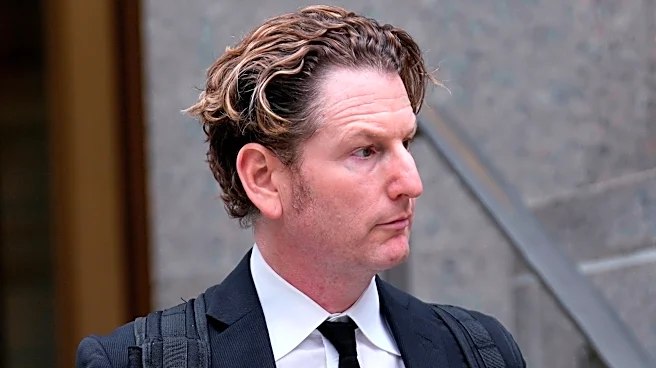
A father and daughter duo, Erwin Bankowski and Karolina Bankowska, have pleaded guilty to defrauding art buyers in New York City by selling counterfeit artworks. The pair, Polish citizens residing in New Jersey, were involved in a scheme that involved creating
and selling fake artworks purportedly by famous artists such as Banksy and Andy Warhol. The counterfeits were produced in Poland by an unnamed co-conspirator and sold to unsuspecting buyers, including prominent auction houses, for a total of at least $2 million. The most lucrative fake, attributed to artist Richard Mayhew, was sold for $160,000. The duo faces charges of wire fraud conspiracy and misrepresenting Native American-produced goods, with potential prison sentences exceeding three years, along with $1.9 million in restitution and possible deportation.
Why It's Important?
This case highlights the vulnerabilities within the art market, where provenance and authenticity are critical yet often difficult to verify. The scheme underscores the challenges faced by art dealers and auction houses in detecting sophisticated forgeries, which can undermine trust in the art market. The financial implications are significant, as fraudulent sales can lead to substantial monetary losses for buyers and damage the reputations of involved institutions. The case also raises awareness about the prevalence of art fraud and the need for more stringent verification processes to protect both buyers and sellers.
What's Next?
The father and daughter are awaiting sentencing, which could result in prison time and financial penalties. The art community may see increased scrutiny and possibly the implementation of more rigorous authentication processes to prevent similar frauds. Auction houses and galleries might invest in better technology and expertise to detect forgeries. Additionally, the case could prompt discussions about international cooperation in tackling art fraud, given the cross-border nature of this scheme.
Beyond the Headlines
The case sheds light on the broader issue of art crime, which is often underreported and underestimated. It challenges the perception of the art world as a purely cultural and genteel space, revealing it as a market susceptible to criminal activities. The involvement of a Polish artist in creating the forgeries also points to the global nature of art fraud networks. This incident may lead to increased efforts to educate art buyers about the risks of purchasing artworks without thorough provenance checks.