





What's Happening?
On July 30, 2026, Boston Logan International Airport experienced significant flight disruptions, recording 367 delays and 45 cancellations, the highest in the U.S. for that day. The disruptions were primarily due to an FAA Ground Delay Program triggered
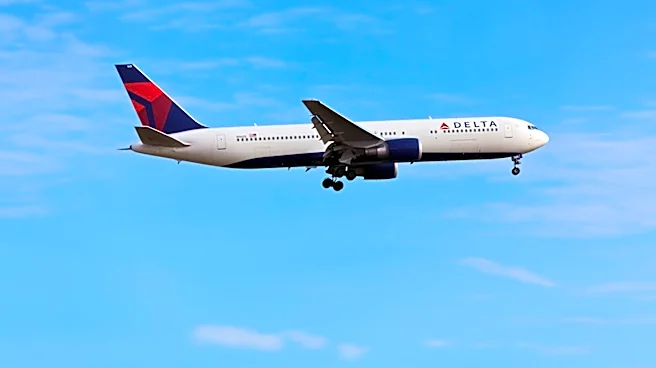
by low cloud ceilings over the Northeast, which resulted in average arrival delays of approximately 110 minutes. Nationwide, there were 161 cancellations and 4,126 delays affecting major airports such as Orlando, Atlanta, Dallas-Fort Worth, JFK, and Newark. Delta Air Lines had the highest number of cancellations, while Southwest Airlines led in delays with 774. FAA traffic management initiatives were also active in San Francisco, San Diego, and Tampa, indicating widespread impact beyond the Northeast.
Why It's Important?
The disruptions highlight the vulnerability of air travel to weather conditions, particularly in busy corridors like the Northeast. The significant delays and cancellations can have cascading effects on passengers, airlines, and airport operations. For passengers, this means potential missed connections and extended travel times. Airlines face operational challenges, including crew scheduling and aircraft rotation issues, which can lead to increased costs and customer dissatisfaction. The situation underscores the importance of robust contingency planning and communication strategies for airlines and airports to mitigate the impact of such disruptions.
What's Next?
Passengers affected by the cancellations are entitled to rebooking assistance, and those whose flights were canceled can request a full refund within seven days. Travelers are advised to check their flight status before heading to the airport and to allow extra time for potential delays. Airlines and airports will likely continue to monitor weather conditions closely and adjust their operations accordingly. The FAA may implement further traffic management initiatives if adverse weather persists, potentially affecting more flights and passengers.