





What's Happening?
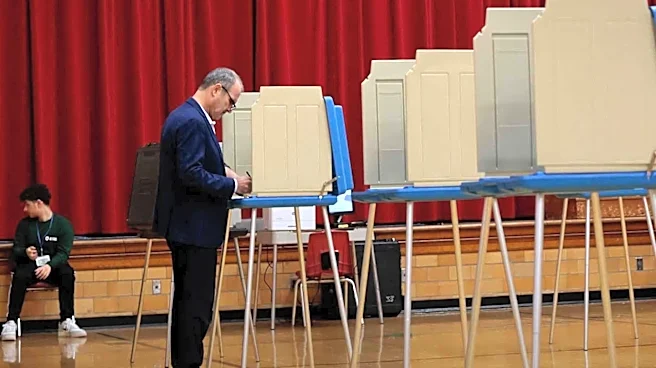
In Iowa, recent voter registration data from the Secretary of State's Office indicates a notable shift in party affiliations. The Democratic Party has seen an increase of over 27,000 registered voters from June to July, bringing their total to 527,675
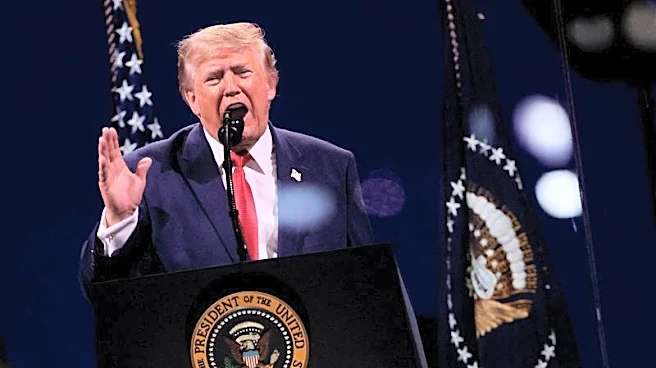
active voters. Meanwhile, the Republican Party also experienced growth, adding more than 17,000 voters, maintaining a strong lead with 711,587 active registrants. Conversely, the number of independent voters has decreased by over 32,000, now totaling 555,309. This shift is partly attributed to voters changing their registration to participate in party primaries, according to Karen Kedrowski, a political science professor at Iowa State University. Kedrowski notes that the increase in Democratic registrations aligns with national trends, driven by opposition to President Trump's policies.
Why It's Important?
The changes in voter registration in Iowa could have significant implications for upcoming elections. The increase in Democratic registrations suggests heightened political engagement among left-leaning voters, potentially impacting the state's political landscape. Historically, Iowa has been a swing state, and the current trends might indicate a return to its 'purple' status, where both major parties have competitive chances. For Republicans, the decline in independent voters and the rise in Democratic registrations could signal challenges in maintaining their current advantage. The mobilization of Democratic voters reflects broader national sentiments and could influence election outcomes, not just in Iowa but potentially in other battleground states.
What's Next?
As the election approaches, both parties are likely to intensify their efforts to secure voter support. Democrats may capitalize on the momentum from increased registrations to strengthen their campaigns and voter outreach. Republicans, on the other hand, might focus on strategies to retain their lead and appeal to independent voters who have shifted affiliations. The evolving voter dynamics in Iowa will be closely monitored by political analysts and could serve as an indicator of broader national trends. Future voter registration updates and primary election results will provide further insights into the political climate and potential shifts in voter behavior.