





What's Happening?
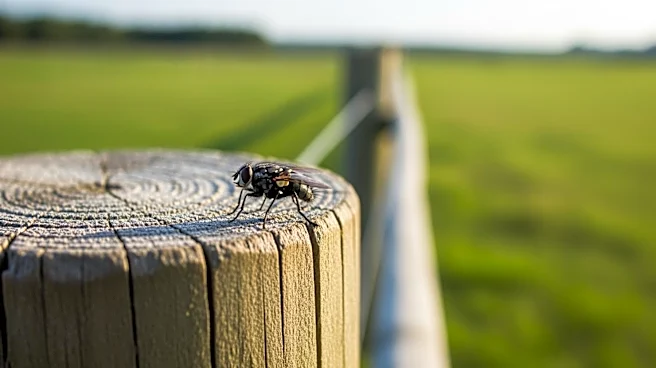
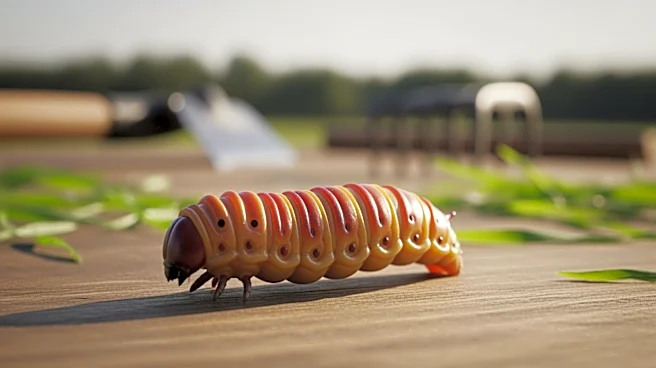
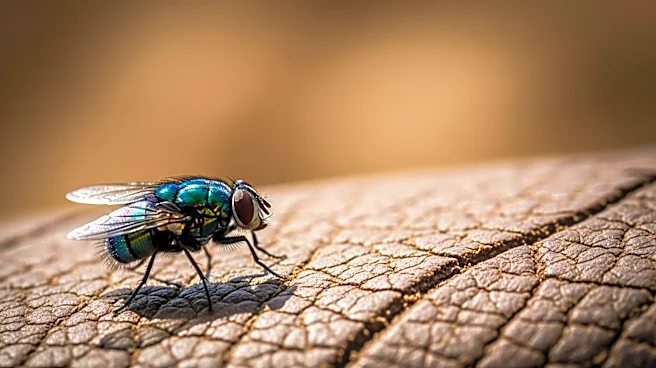
The U.S. Department of Agriculture (USDA) has confirmed a second case of the New World screwworm in Texas, specifically in Zavala County. This parasitic fly, whose larvae feed on the living tissue of warm-blooded animals, poses a significant threat to
livestock. The USDA's Animal and Plant Health Inspection Service (APHIS) detected the infestation after testing several suspect cases. In response, a quarantine zone has been established around the affected areas to prevent the movement of animals without inspection. The screwworm was initially detected in Mexico in 2024, and efforts have been ongoing to prevent its spread into Texas, a major cattle-producing state. Texas Governor Greg Abbott has expanded a statewide disaster declaration to mobilize resources for combating the outbreak, including the use of sterile flies to disrupt the screwworm's reproductive cycle. Meanwhile, Canada has imposed a temporary ban on livestock imports from Texas to mitigate the risk of the parasite spreading.
Why It's Important?
The outbreak of the New World screwworm in Texas is a significant concern for the U.S. cattle industry, which is valued at $17 billion in the state. The parasite's presence threatens to reduce cattle supplies, disrupt trade, and potentially increase beef prices. The quarantine measures and Canada's import ban highlight the economic and trade implications of the outbreak. The situation underscores the importance of biosecurity measures in preventing the spread of livestock diseases, which can have far-reaching effects on international trade and local economies. The swift response by state and federal authorities aims to contain the outbreak and protect the livestock industry from further economic damage.
What's Next?
Efforts to control the screwworm outbreak will continue, with the USDA and Texas officials working to monitor and test animals in the affected areas. The use of sterile flies is a key strategy in breaking the reproductive cycle of the screwworm. The situation will require ongoing vigilance from livestock owners and veterinarians to identify and treat infected animals promptly. The temporary import restrictions by Canada may remain in place until the outbreak is under control, affecting cross-border livestock trade. The response to this outbreak will likely involve increased collaboration between U.S. and Canadian authorities to ensure the health and safety of livestock populations.