




What's Happening?
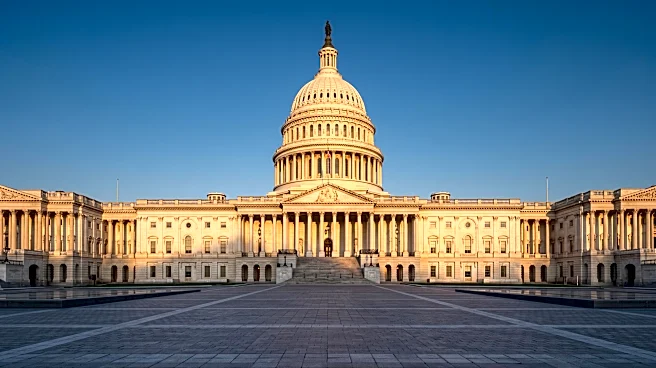
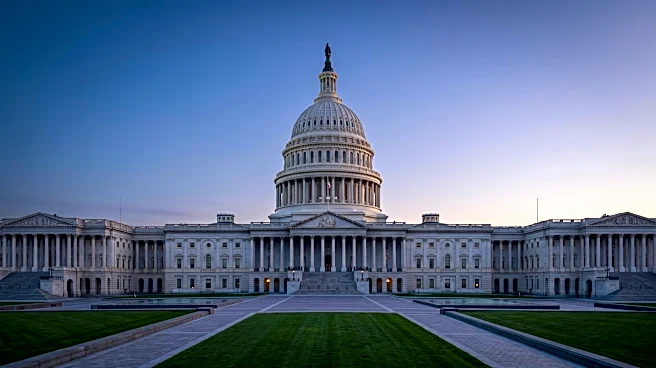
Congressman Jay Obernolte (R-CA), alongside Congressmen John Moolenaar (R-MI) and Craig Goldman (R-TX), has co-sponsored the LOCOMOTIVES Act. This legislation, which recently passed the House Committee on Energy and Commerce with a 26-23 vote, aims to
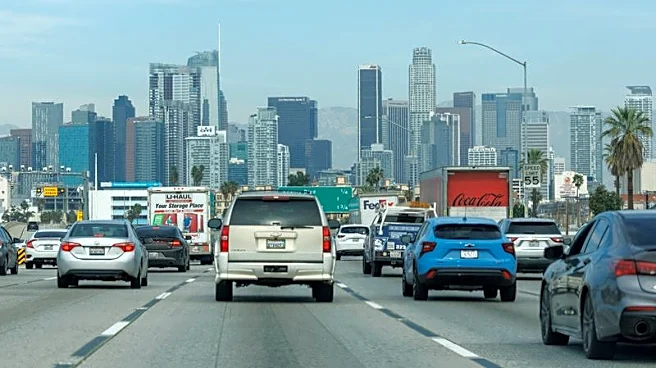
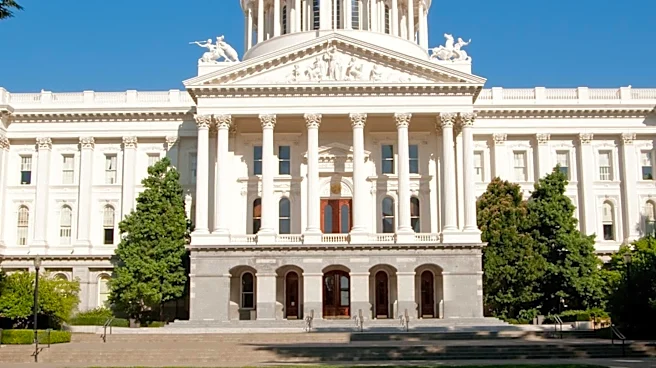
prevent the State of California from imposing regulations on trains crossing into the state that are stricter than federal emission standards. The bill revises Section 209 of the Clean Air Act, which currently allows states like California to request waivers from the Environmental Protection Agency (EPA) to adopt more stringent environmental policies. Congressman Obernolte stated that a single state should not dictate unworkable mandates for the national rail system and emphasized the act's role in protecting jobs and investment in his district, including the Barstow International Gateway, by ensuring consistent federal standards.
Why It's Important?
The LOCOMOTIVES Act is crucial for maintaining a unified national standard for the U.S. freight rail system. Without it, individual states could implement varying regulations, leading to a fragmented and potentially inefficient rail network. This could significantly impact the national supply chain, increasing costs for industries that rely on rail transportation, such as agriculture, auto manufacturing, and general freight. The legislation aims to prevent a scenario where California's environmental mandates could effectively prevent a large portion of the national train fleet from operating within its borders, thereby disrupting the movement of goods across the country. The bill's passage through committee indicates a congressional effort to prioritize national economic consistency over state-specific environmental regulations in this sector.
What's Next?
Following its passage by the House Committee on Energy and Commerce, the LOCOMOTIVES Act will now proceed to a full vote in the House of Representatives. If approved by the House, it will then move to the Senate for consideration. The legislation is endorsed by several prominent industry groups, including the U.S. Chamber of Commerce, the Michigan Farm Bureau, and various railroad associations, indicating strong support from key economic stakeholders. The bill's progression will be closely watched by states, environmental groups, and the transportation industry, as its ultimate passage would set a precedent regarding federal versus state authority in regulating interstate commerce and environmental standards.
Beyond the Headlines
This legislation delves into the complex interplay between state environmental autonomy and federal economic oversight. While states like California often seek to lead on environmental protection, this act highlights the potential for such initiatives to create interstate commerce barriers. It underscores a broader debate about the appropriate balance of power between federal and state governments, particularly when state-level policies have national economic repercussions. The LOCOMOTIVES Act could influence future discussions on environmental regulations in other sectors, potentially leading to more federal preemption in areas deemed critical to national economic unity and supply chain stability. It also reflects ongoing tensions between environmental advocacy and business interests in the U.S.