

What's Happening?
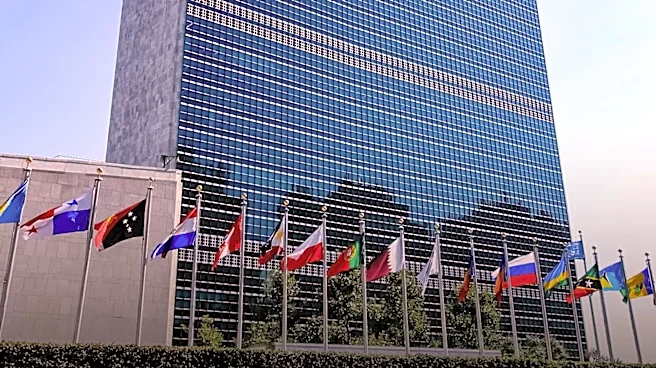
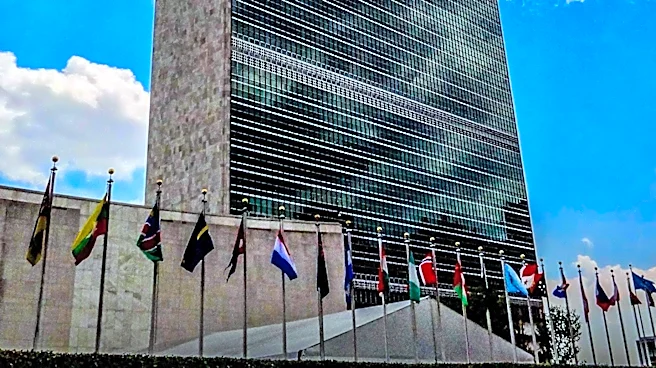
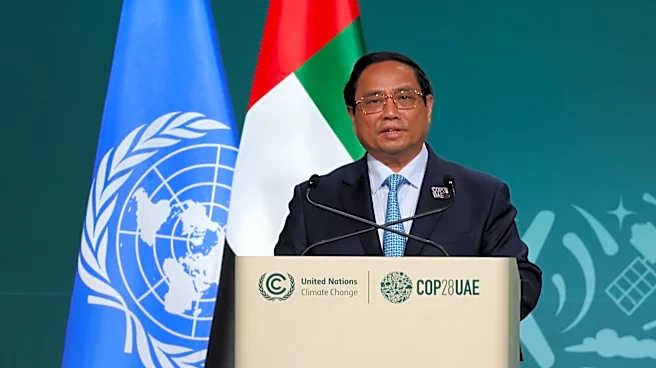
Minister Counsellor Nguyen Hai Luu, Deputy Permanent Representative of Vietnam to the UN, has outlined three critical priorities aimed at improving the effectiveness of UN peacekeeping operations. Speaking at a general debate on the comprehensive review
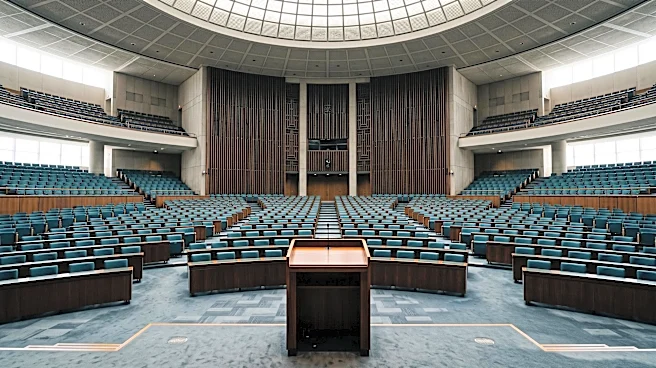
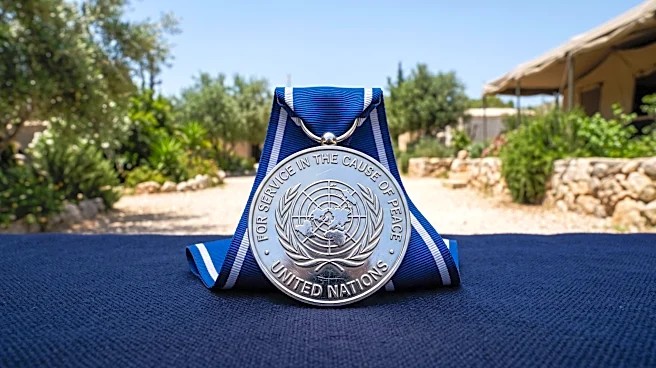
of UN peacekeeping operations held on November 5 by the Special Political and Decolonisation Committee (Fourth Committee) of the 81st session of the UN General Assembly, Luu emphasized that peacekeeping remains a vital tool for maintaining international peace and security, protecting civilians, and supporting political processes. The first priority focuses on ensuring political solutions remain central, with missions having clear, feasible mandates aligned with available resources and UN principles. The second priority addresses the safety and security of peacekeeping personnel, advocating for stronger capacity to respond to threats and cautioning against budget cuts that could undermine mission mandates. Lastly, Luu highlighted the importance of strengthening cooperation between the UN and regional organizations, enhancing the capacity of troop-contributing countries, and promoting the full, equal, and meaningful participation of women in peacekeeping operations. Vietnam also welcomed the Secretary-General’s review report on the future of UN peace operations, urging member states to consider its recommendations constructively.
Why It's Important?
These proposed reforms by Vietnam carry significant implications for the future of international peace and security, particularly for the United States and its allies who often contribute to or support UN peacekeeping missions. By advocating for clearer mandates and resource alignment, Vietnam is pushing for more efficient and effective operations, which could lead to better outcomes in conflict zones and potentially reduce the financial and human costs associated with prolonged missions. Prioritizing the safety of peacekeepers is crucial, as it directly impacts the willingness of nations, including the U.S., to deploy their personnel. Enhanced safety measures could also improve morale and operational effectiveness. Furthermore, strengthening cooperation with regional organizations and empowering women in peacekeeping aligns with broader U.S. foreign policy goals of fostering international partnerships and promoting gender equality. These reforms could lead to more stable regions, reducing the need for unilateral interventions and allowing for a more collaborative approach to global security challenges, ultimately benefiting U.S. strategic interests by sharing the burden of maintaining peace.
What's Next?
The recommendations put forth by Vietnam, along with the Secretary-General’s review report, are expected to undergo thorough consideration by UN member states. This process will likely involve continued discussions within the Special Political and Decolonisation Committee and potentially the Special Committee on Peacekeeping Operations (C-34). Member states will need to engage in constructive and inclusive dialogue to determine which reforms are feasible and how they can be implemented. The focus will be on translating these priorities into actionable policies and operational changes. The UN will also need to address the mounting challenges identified by representatives, including complex conflicts, emerging security threats, and financial constraints, to ensure that any reforms effectively meet new demands. Vietnam has affirmed its commitment to working closely with the UN and international partners, suggesting ongoing diplomatic efforts to push these reforms forward and improve the sustainability of peacekeeping operations.
Beyond the Headlines
The call for UN peacekeeping reform extends beyond immediate operational improvements, touching upon fundamental questions of international governance and the evolving nature of global conflicts. The emphasis on political solutions as central to peacekeeping underscores a shift towards addressing root causes rather than merely managing symptoms, a long-standing challenge for the UN. The push for greater female participation in peacekeeping is not just about gender equality; it recognizes the proven benefits of diverse perspectives in conflict resolution and community engagement, potentially leading to more sustainable peace. Moreover, the discussion around budget-saving measures versus effective mandate fulfillment highlights a persistent tension between financial prudence and the imperative to protect human lives and maintain stability. This debate reflects broader geopolitical dynamics, where major powers often weigh the costs of intervention against the risks of inaction. The outcome of these reform efforts could redefine the UN's role in a multipolar world, influencing its legitimacy and capacity to act as a global arbiter in an increasingly complex international landscape.