





What's Happening?
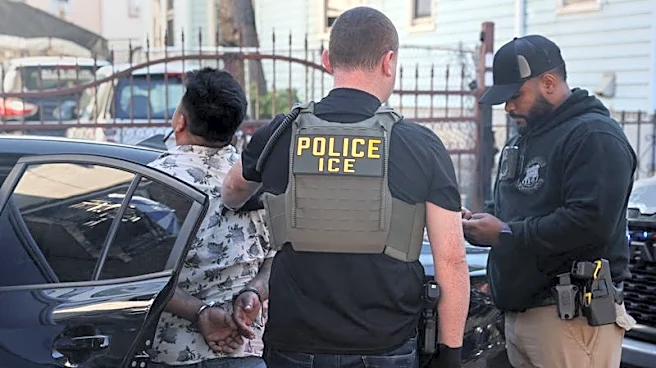
A federal judge in Los Angeles, U.S. District Judge Maame Frimpong, has issued new restrictions on U.S. Immigration and Customs Enforcement (ICE) agents regarding warrantless civil immigration arrests in the Central District of California. The ruling
mandates that agents must now obtain a warrant before making such arrests, unless they can determine that the individual is likely to escape before a warrant can be secured. Judge Frimpong found that federal immigration agents were "regularly abstaining from conducting a likelihood of escape analysis at all." The court order also requires agents to cease relying on a January memorandum from former acting director Todd Lyons, which suggested that merely being undocumented was sufficient grounds for an escape risk. Furthermore, agents must document their analysis of escape risk when conducting warrantless arrests. This ruling applies to Los Angeles, Orange, Riverside, San Bernardino, Ventura, Santa Barbara, and San Luis Obispo counties.
Why It's Important?
This judicial decision significantly impacts immigration enforcement practices in Southern California, potentially reducing the number of warrantless arrests and enhancing due process for individuals targeted by ICE. By requiring a documented assessment of escape risk, the ruling aims to prevent arbitrary detentions and ensure that arrests without warrants are based on specific, justifiable circumstances rather than broad assumptions. This could lead to a decrease in the fear experienced by immigrant communities, as highlighted by statements from community advocates. The ruling also challenges the interpretation of existing immigration policies, specifically the memorandum from former acting director Todd Lyons, by asserting that being undocumented alone does not constitute sufficient grounds for a warrantless arrest. This could set a precedent for how similar policies are reviewed and implemented in other jurisdictions, potentially influencing national immigration enforcement guidelines.
What's Next?
The federal government's request to delay the order for two weeks to consider an appeal was rejected by the judge, meaning the new restrictions are immediately in effect. ICE agents operating in the Central District of California must now adhere to these revised protocols, which include obtaining warrants or thoroughly documenting escape risk analyses for warrantless arrests. This could lead to adjustments in training and operational procedures for ICE agents in the region. It is possible that the Department of Homeland Security (DHS) may appeal this ruling, which could lead to further legal battles and potentially higher court review. The decision may also prompt other civil rights and immigration advocacy groups to pursue similar legal challenges in other federal districts, potentially leading to a broader re-evaluation of warrantless arrest practices across the country. The long-term impact will depend on compliance, appeals, and potential legislative or policy changes.
Beyond the Headlines
This ruling delves into the fundamental tension between immigration enforcement and civil liberties, particularly the Fourth Amendment's protection against unreasonable searches and seizures. By requiring a more stringent standard for warrantless arrests, the court is asserting judicial oversight over executive agency actions, aiming to prevent potential abuses of power. The decision highlights the ongoing debate about the scope of federal immigration authority and the rights of individuals, regardless of their immigration status. It also brings to light the impact of such enforcement practices on community trust and the daily lives of residents in areas with large immigrant populations. The legal battle over this issue reflects broader societal discussions about immigration reform, human rights, and the balance of power between different branches of government. The outcome of this and similar cases could shape the future landscape of immigration law and enforcement in the U.S.