




What's Happening?
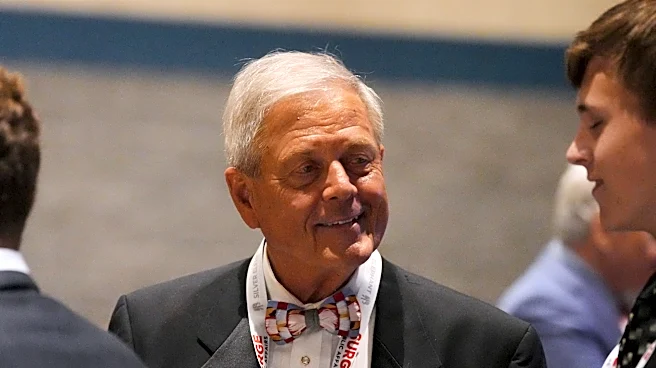
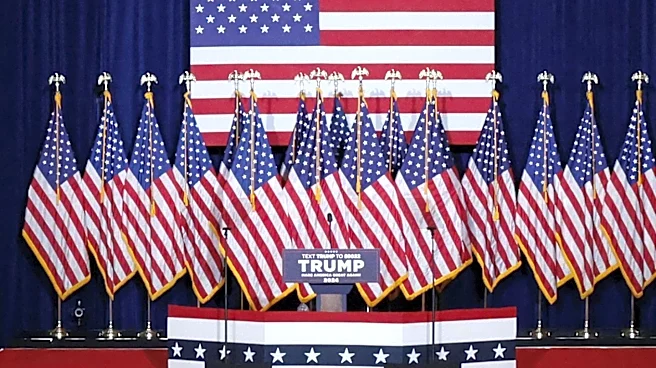
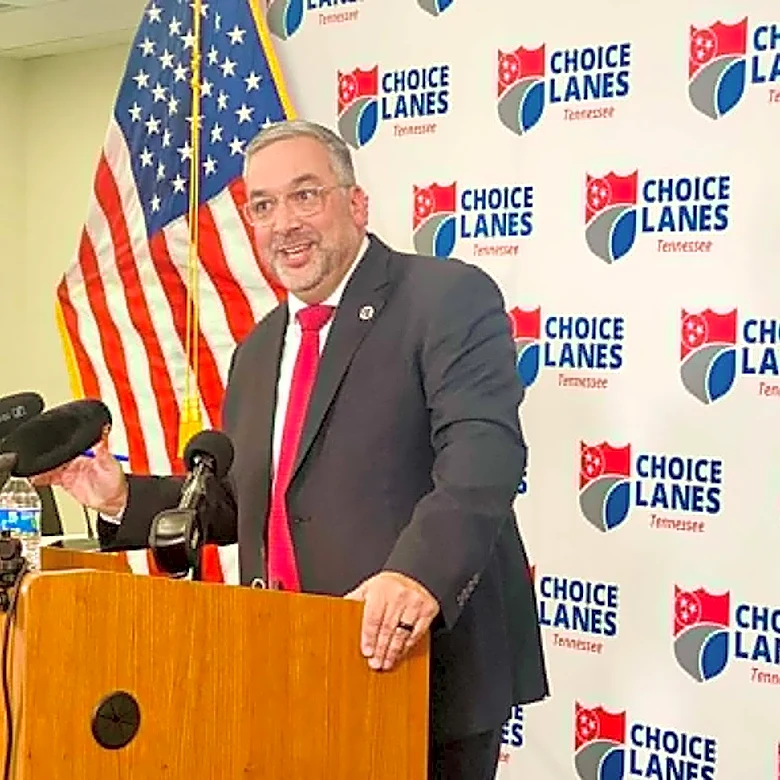
Defense Secretary Pete Hegseth has been campaigning for Republican lawmakers, making appearances in Iowa alongside Rep. Zach Nunn and previously for House candidate Ed Gallrein in Kentucky. These actions have raised questions about the appropriateness
of a Defense Secretary engaging in political campaigning, as the role is typically expected to be nonpartisan. Hegseth and the Pentagon have stated that these appearances were made in a 'personal capacity,' not as Defense Secretary. However, the source notes that there is no known precedent for such behavior by someone in his position. The article highlights that Hegseth's actions are seen as a breach of norms, especially given his role in overseeing military operations, including the ongoing war against Iran, which has been criticized for its management and impact on President Trump's approval ratings.
Why It's Important?
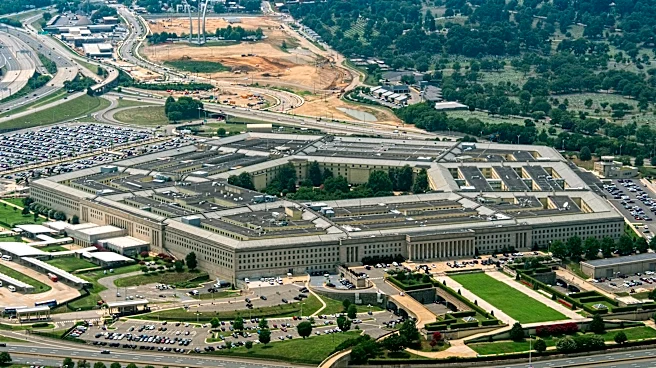
The involvement of a Defense Secretary in political campaigning is significant because it blurs the lines between military leadership and partisan politics, potentially undermining the nonpartisan nature of the Pentagon. The military is traditionally viewed as an institution that serves all Americans, regardless of political affiliation, and its leadership is expected to maintain a neutral stance. Hegseth's actions could erode public trust in the military's impartiality and create a perception that defense policy is being influenced by political considerations rather than national security interests. This situation also reflects broader concerns about the politicization of government agencies under the Trump administration, where political appointees may be seen as prioritizing partisan loyalty over traditional institutional norms. The ongoing war against Iran adds another layer of complexity, as Hegseth's political activities occur while he is responsible for a major military operation.
What's Next?
The continued campaigning by Defense Secretary Pete Hegseth is likely to draw further scrutiny and criticism from political observers, ethics watchdogs, and potentially members of Congress. There may be calls for clearer guidelines or regulations regarding the political activities of high-ranking military and defense officials. The debate over the appropriate role of political appointees in a nonpartisan institution like the Pentagon is expected to intensify. Depending on the political climate and the outcomes of the elections he is campaigning for, Hegseth's actions could either be normalized or become a point of contention in future political discourse. The broader implications for civil-military relations and the perception of the military's neutrality will also be a key area of focus.
Beyond the Headlines
The controversy surrounding Defense Secretary Pete Hegseth's campaigning touches upon fundamental principles of democratic governance and the separation of powers. The expectation of a nonpartisan military leadership is a cornerstone of many democracies, designed to ensure that the armed forces remain loyal to the nation and its constitution, rather than to any particular political party or leader. When this norm is challenged, it can have long-term implications for institutional integrity and public confidence. Hegseth's actions, viewed in the context of the Trump administration's broader approach to government, suggest a willingness to push the boundaries of traditional political conduct. This could contribute to a more politicized environment within government agencies, potentially impacting morale, recruitment, and the effectiveness of these institutions in serving the public interest. The ethical dimensions of using a high-ranking government position for partisan political gain are also a significant concern.