
What's Happening?
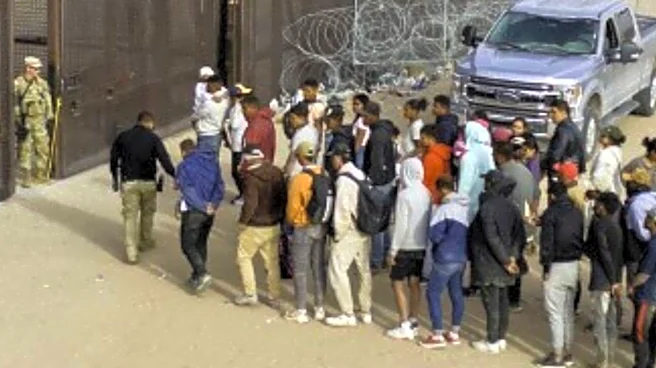
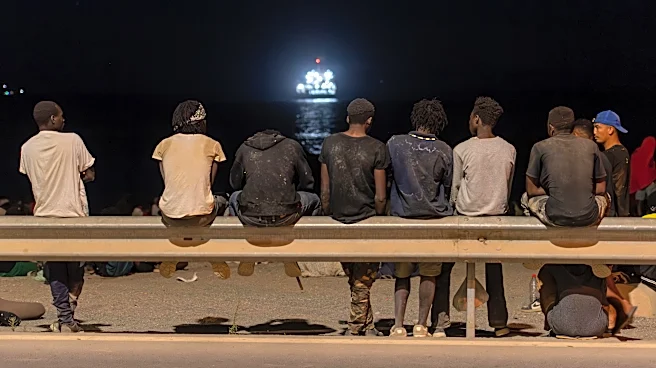
Spain and other EU nations have moved to reconcile following a mass influx of migrants into the Spanish enclave of Ceuta, which exposed divisions within the EU. The crisis saw over 72,000 migrants crossing
from Morocco, with Spain managing to return most of them. EU migration chief Magnus Brunner praised Spain's response, stating that Europe passed the test of resilience and solidarity. The crisis had initially led to criticism of Spain's migration policies, with some EU countries calling for stricter measures. However, the recent meeting emphasized unity and the need for coherent communication during such crises.
Why It's Important?
The reconciliation marks a significant step in maintaining EU unity on migration issues, which have been a source of tension within the bloc. Spain's handling of the crisis and the subsequent EU support highlight the importance of coordinated responses to migration challenges. The situation underscores the need for a balanced approach that addresses security concerns while upholding humanitarian principles. The EU's ability to manage such crises effectively is crucial for its credibility and stability, especially in the face of rising populist and nationalist sentiments.
What's Next?
The EU is expected to continue refining its migration policies, focusing on enhancing border security and cooperation with non-EU countries. Spain's experience may inform future EU strategies, emphasizing the importance of swift and effective responses to migration crises. The bloc will likely work on improving communication and coordination among member states to prevent similar disputes in the future.