






What's Happening?
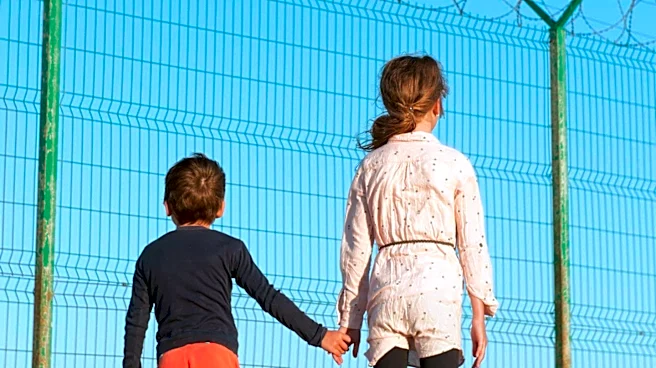
A recent assessment by the United Nations Development Programme (UNDP), supported by the German Government, has revealed both progress and persistent challenges in providing legal aid to forcibly displaced individuals in Armenia, Georgia, Moldova, and Ukraine.
The study, which involved consultations with approximately 150 participants including displaced people, legal professionals, and civil society groups, examined how legal aid systems are responding to large-scale displacement caused by the conflict in Ukraine and Nagorno-Karabakh. While all four countries have strengthened their legal and institutional frameworks for state-guaranteed legal assistance, incorporating new approaches like mobile services and digital platforms, significant barriers to effective access to justice remain. These include limited awareness of services, language barriers, a shortage of interpreters, inadequate translated information, and difficulties in accessing aid in rural areas. People with disabilities face additional hurdles, and legal aid providers struggle with limited public funding, heavy workloads, and inconsistent service quality. The assessment emphasizes the need for more people-centered, trauma-informed, and gender-sensitive legal aid services.
Why It's Important?
This UNDP assessment is crucial because it underscores the ongoing humanitarian crisis and the critical need for robust legal support for displaced populations in Eastern Europe. The findings highlight that formal legal protections, while a positive step, are insufficient without effective implementation and accessibility. The challenges identified, such as language barriers and lack of awareness, can prevent vulnerable individuals from understanding and exercising their fundamental rights, potentially leading to further marginalization and exploitation. For the U.S. and its allies, this report provides valuable insights into the stability and human rights situation in a region significantly impacted by geopolitical conflicts. Ensuring access to justice for displaced persons is vital for regional stability, democratic consolidation, and preventing further humanitarian crises. The report's recommendations, if implemented, could strengthen justice systems not only for displaced people but for the wider population, aligning with broader international efforts to uphold human rights and the rule of law.
What's Next?
The UNDP assessment provides 77 country-specific recommendations aimed at improving legal aid for forcibly displaced people. These recommendations cover areas such as multilingual legal information, expanded digital services, professional training for legal aid providers, vulnerability screening, improved data collection, sustainable public funding, and stronger quality assurance mechanisms. The report also calls for enhanced cooperation among legal aid institutions, social services, migration authorities, civil society organizations, and refugee-led groups. The implementation of these recommendations will be a critical next step, requiring coordinated efforts from national governments, international organizations, and civil society. Monitoring the progress of these initiatives and ensuring that legal aid services become more accessible, inclusive, and responsive will be essential to address the ongoing needs of displaced communities in the region. The report builds on the 2023 Tbilisi Declaration, indicating a continued commitment to these issues.
Beyond the Headlines
Beyond the immediate provision of legal aid, the findings of this UNDP assessment point to deeper systemic issues within justice systems in Eastern Europe, particularly concerning their capacity to respond to large-scale humanitarian crises. The emphasis on people-centered, trauma-informed, and gender-sensitive approaches highlights a shift towards a more holistic understanding of justice, recognizing that legal processes must account for the unique vulnerabilities and experiences of displaced individuals. This approach has broader implications for how justice systems worldwide can adapt to global challenges like climate migration and conflict-induced displacement. Furthermore, the report implicitly calls for a re-evaluation of funding models for legal aid, suggesting that current public funding is often inadequate. Addressing these underlying issues could lead to more resilient and equitable justice systems, fostering greater trust in institutions and promoting social cohesion in post-conflict or crisis-affected regions. The long-term impact of these efforts could contribute to preventing future conflicts and promoting sustainable development.