
What's Happening?
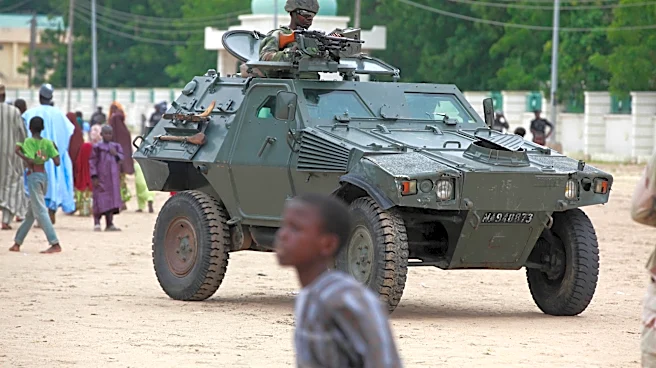
Sudan is experiencing a severe food crisis, with millions of people surviving on just one meal a day. The crisis is exacerbated by the ongoing conflict between the Sudanese army and the paramilitary Rapid
Support Forces, which has entered its third year. The conflict has led to widespread hunger and displacement, with North Darfur and South Kordofan being the worst affected areas. According to a report by several NGOs, including Action Against Hunger and CARE International, 61.7% of Sudan's population is acutely food-insecure. The report highlights the use of starvation as a weapon of war and the destruction of farms and markets.
Why It's Important?
The food crisis in Sudan is one of the world's largest humanitarian emergencies, affecting millions of people. The situation poses a significant challenge for international aid organizations and governments trying to provide relief. The crisis also highlights the devastating impact of prolonged conflict on civilian populations, particularly in terms of food security and nutrition. The international community's response to this crisis could influence future humanitarian efforts and policies aimed at conflict resolution and food security.
What's Next?
The ongoing conflict and food crisis in Sudan require urgent international attention and intervention. Humanitarian organizations are calling for increased funding and support to address the immediate needs of the affected population. The Sudanese government and the RSF need to engage in peace talks to resolve the conflict and allow for the safe delivery of aid. The international community may also need to consider sanctions or diplomatic measures to pressure the conflicting parties into negotiations.