






What's Happening?
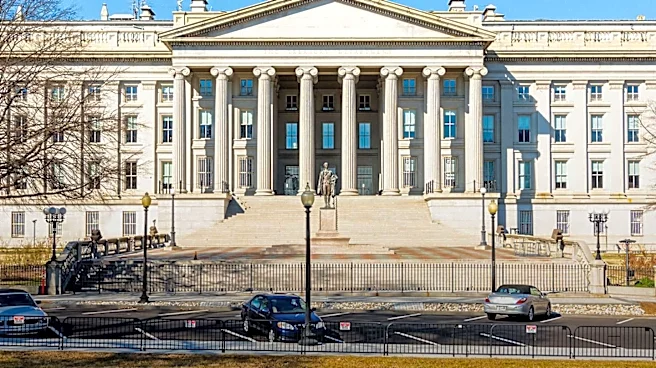
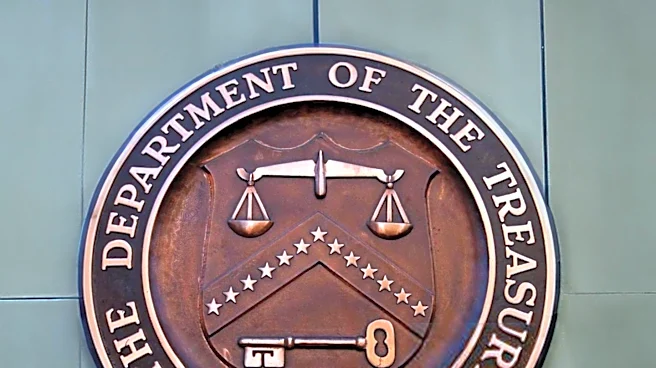
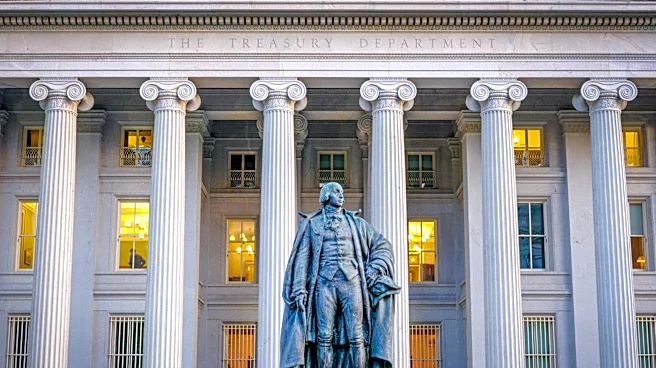
The U.S. Department of the Treasury's Financial Crimes Enforcement Network (FinCEN) has issued an order that will prohibit U.S. banks and other financial institutions from processing money transfers to or from the crypto exchange MEXC Global. According
to CoinDesk, the Treasury alleges that MEXC Global facilitated at least $16 billion in transactions linked to sanctions evasion, cybercrime, and other illicit activities between May 2021 and May 2026. The order, issued under section 9714(a) of the Combating Russian Money Laundering Act, specifically targets MEXC Global's access to U.S. financial intermediaries. While the order has not yet taken effect, it is expected to become active 30 days after its publication in the Federal Register. Treasury Secretary Scott Bessent stated that financial institutions must choose between supporting regimes like Iran's or maintaining access to the U.S. financial system. MEXC Global, founded in 2018 and incorporated in the Seychelles, is among the 20 largest crypto exchanges globally, processing over $1 billion in daily transactions as of September 2026.
Why It's Important?
This action by the U.S. Treasury marks a significant step in the government's ongoing efforts to combat illicit finance within the cryptocurrency ecosystem. By cutting off MEXC Global from the U.S. financial system, the Treasury aims to disrupt channels used for sanctions evasion, particularly those linked to Russia and Iran, and to curb cybercrime. The order underscores the U.S. government's commitment to enforcing financial regulations and protecting national security interests against threats posed by unregulated or poorly regulated crypto platforms. For U.S. financial institutions, this means increased scrutiny and potential penalties for non-compliance, reinforcing their Bank Secrecy Act duties and sanctions rules. The move also sends a strong message to other crypto exchanges globally about the severe consequences of failing to implement robust anti-money laundering and sanctions compliance programs. This could lead to a broader trend of increased regulatory pressure on the crypto industry, pushing exchanges to enhance their compliance frameworks to maintain access to major financial markets.
What's Next?
The FinCEN order will take effect 30 days after its publication in the Federal Register. As of Sunday, November 8, 2026, NodeWitness reported that a search of the register found no MEXC notice, indicating the clock has not yet started. Once effective, U.S. financial institutions will be legally barred from any fund transmittals to or from MEXC Global, with violations potentially leading to civil or criminal penalties. MEXC Global has publicly stated on X that it is reviewing the order with its legal and compliance teams and has initiated an independent review of its anti-money-laundering and sanctions controls. The exchange maintains that it is operating normally and user assets remain secure. The next critical step will be the official publication of the order in the Federal Register, which will trigger the 30-day countdown. FinCEN has reserved the authority to attach conditions or grant exemptions, which could be a point of engagement for MEXC Global.
Beyond the Headlines
The Treasury's action against MEXC Global highlights the evolving landscape of financial crime and the increasing role of cryptocurrency in facilitating illicit activities. This move is part of a broader U.S. strategy, dubbed 'Operation Economic Outcast,' aimed at isolating countries like Iran from global finance. The formal basis for the order, resting on MEXC's alleged Russian dealings, demonstrates the U.S. government's use of existing legislation to address emerging threats in the digital asset space. The case also brings to light the challenges of regulating decentralized finance and the complexities of enforcing national sanctions across international borders. The alleged movement of billions of dollars through MEXC Global, despite its policy barring users in Iran, underscores the difficulties in controlling user access and verifying identities on global crypto platforms. This incident could spur further international cooperation on crypto regulation and potentially lead to more stringent 'know your customer' and anti-money laundering requirements across the industry.