

What's Happening?
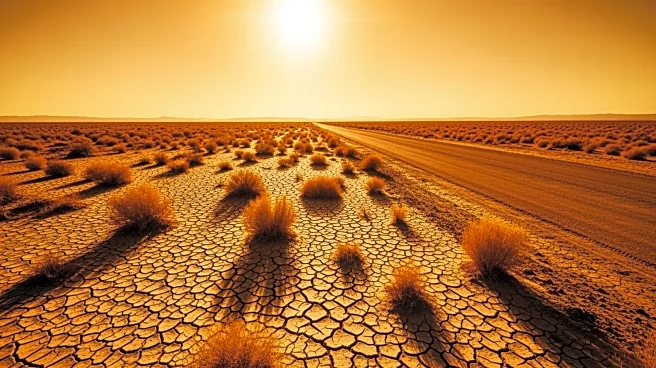
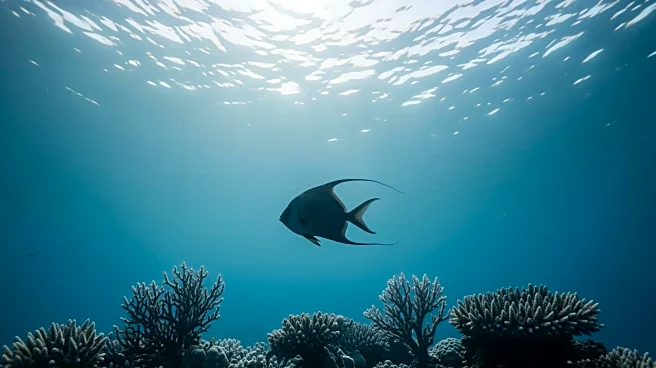
A recent study has highlighted the economic risks posed by climate change to Korea's aquaculture industry. The research estimates damage costs based on rising water temperatures, which threaten the viability of aquaculture species across various provinces.
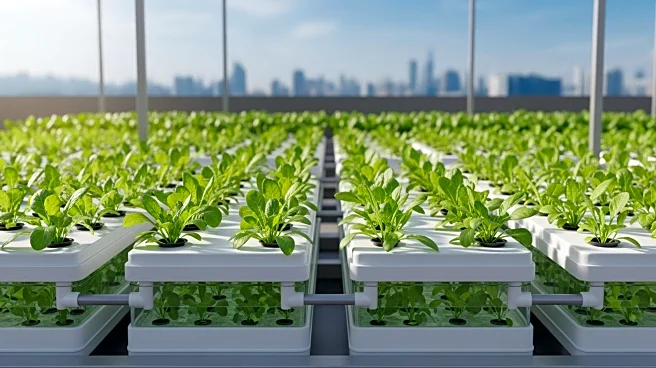
The study projects that by 2100, under a scenario of continued climate change, many aquaculture species will face unsustainable conditions. Species like seaweed and sea squirt, which have low tolerance for temperature changes, are particularly vulnerable. The study emphasizes the need for tailored adaptation measures to mitigate these impacts and suggests technological alternatives like land-based tanks for more resilient aquaculture practices.
Why It's Important?
The findings underscore the urgent need for strategic planning in the aquaculture sector to address climate change impacts. As a significant contributor to Korea's economy, the aquaculture industry must adapt to ensure its sustainability. The study's insights can guide policymakers in developing effective response strategies, potentially influencing global aquaculture practices. By prioritizing species and regions most at risk, Korea can better safeguard its aquaculture industry, ensuring food security and economic stability in the face of climate change.
What's Next?
The Korean government has already initiated measures like a high temperature alarm system and crisis response manuals. However, further research and policy development are needed to identify vulnerable species and regions. Future efforts may include developing heat-resistant aquaculture species and exploring alternative farming methods. As climate change continues to evolve, ongoing assessment and adaptation will be crucial to maintaining the viability of the aquaculture industry.