






What's Happening?
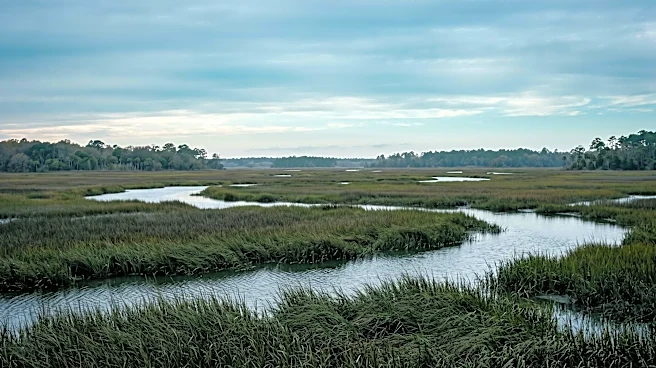
A 229-acre parcel of land in South Carolina, known as the White Tract, which was previously slated for a 200-home residential development, is now set for permanent conservation. The property, located adjacent to the Cape Romain National Wildlife Refuge
in Awendaw, Charleston County, had been the subject of nearly two decades of opposition from conservation groups. The South Carolina Environmental Law Project (SCELP), representing organizations like the Coastal Conservation League, Charleston Waterkeeper, and Friends of Coastal South Carolina, announced an agreement on November 6, 2026. Under this settlement, developer Pulte Home Company has agreed to sell the White Tract to the nonprofit Open Space Institute for conservation. The proposed development, which included approximately 208 single-family homes, raised concerns about its impact on wetlands, wildlife, and water quality, particularly due to reliance on septic systems near a critical ecological area.
Why It's Important?
This agreement marks a significant victory for environmental conservation in South Carolina, demonstrating the power of sustained advocacy and collaboration between conservation groups, public agencies, and private developers. The White Tract's preservation is crucial for protecting the Cape Romain National Wildlife Refuge, which serves as vital habitat for migratory birds, sea turtles, and other wildlife. The area's marshes also play a critical role in water filtration, supporting coastal fisheries, and providing natural protection against storms and flooding. The resolution of this long-standing dispute sets a precedent for how environmentally sensitive lands can be protected from intensive development, ensuring the ecological integrity of coastal regions. It highlights the importance of balancing development needs with environmental stewardship and the potential for compromise to achieve conservation goals.
What's Next?
The transaction for the sale of the White Tract to the Open Space Institute for permanent conservation is pending completion. Once the property is permanently conserved, SCELP will dismiss the pending legal challenges related to the development. The Open Space Institute may eventually incorporate the land into the Cape Romain National Wildlife Refuge. Additionally, Pulte Home Company has agreed to implement environmental enhancements at its Farms at Longleaf community in Hollywood, Charleston County, and the Rock Six community in Dorchester County, further addressing water quality, wildlife habitat, and community health. The conservation groups, along with state and local leaders including Governor Henry McMaster, are awaiting the official closing date for the transaction.
Beyond the Headlines
The resolution of the White Tract dispute offers a compelling case study in environmental law and community activism. It underscores the ethical responsibility of developers to consider the ecological impact of their projects and the legal avenues available to conservationists. The agreement also highlights the potential for private land trusts and non-profit organizations to play a pivotal role in large-scale land preservation efforts, often by identifying funding sources and facilitating negotiations. This outcome could inspire similar collaborative approaches in other regions facing development pressures on sensitive ecosystems, fostering a model where economic development and environmental protection are not mutually exclusive but can be achieved through strategic partnerships and persistent advocacy. The long-term implications include enhanced biodiversity, improved water quality, and increased resilience against climate change impacts in coastal South Carolina.