






What's Happening?
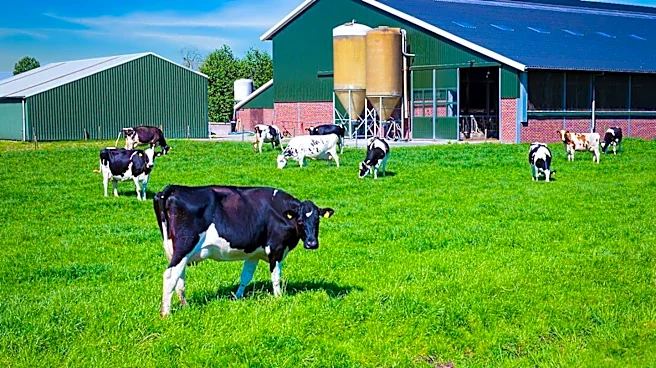
Milk from a Morrow County dairy in Oregon has tested positive for highly pathogenic avian influenza (HPAI), marking the first detection of the virus in Oregon dairy cattle. The preliminary detection was identified through Oregon’s routine statewide milk
surveillance program, with initial results reported by the Oregon Veterinary Diagnostic Laboratory (OVDL) on November 6, 2026. The Oregon Department of Agriculture (ODA) promptly launched an on-farm investigation and submitted additional samples to the United States Department of Agriculture (USDA) National Veterinary Services Laboratory (NVSL) for confirmation, which was received on November 10, 2026. The affected dairy has been placed under quarantine, and enhanced biosecurity measures are now in effect. This quarantine restricts animal movement and implements additional disease control measures. No other affected dairies have been identified at this time, and pasteurized milk and dairy products are deemed safe for consumption, as pasteurization effectively inactivates the HPAI virus. Milk from sick animals is prohibited from entering the commercial supply.
Why It's Important?
This first detection of HPAI in Oregon dairy cattle is significant as it highlights the continued spread of the virus across the nation's dairy industry. Dr. Ryan Scholz, State Veterinarian for ODA, noted that while significant, the detection was not unexpected given the national trend. The effectiveness of Oregon's statewide milk surveillance program, launched in December 2024, is underscored by its ability to quickly identify the infection, allowing for rapid response and control measures. This proactive approach helps protect both animal health and Oregon's dairy industry. The U.S. Food and Drug Administration (FDA) continues to advise against consuming raw (unpasteurized) milk due to the risk of viruses and bacteria. Public health officials are monitoring farm workers exposed to infected animals, though the risk to workers remains low with appropriate personal protective equipment. The current public health risk to the general population is also considered low, with no identified cases of person-to-person transmission.
What's Next?
The affected dairy will remain under quarantine, with ongoing response activities focused on the impacted farm and associated epidemiological investigation. Infected dairy cows are generally expected to recover within a few weeks. ODA is collaborating closely with USDA, Oregon Health Authority (OHA), Morrow County Public Health officials, OVDL, and Oregon’s dairy industry partners to continue the investigation. The statewide dairy surveillance program will persist in routinely testing milk from all licensed dairy operations to ensure early detection and rapid response to any future HPAI cases. Public health officials will continue to provide education to farm workers and monitor them for symptoms of avian influenza. The broader U.S. dairy industry will likely continue to implement and refine biosecurity measures and surveillance programs to mitigate the spread of HPAI, building on lessons learned from this and previous detections in other states.
Beyond the Headlines
The ongoing spread of HPAI in dairy cattle, as evidenced by this Oregon detection, raises broader questions about the long-term strategies for managing zoonotic diseases in agricultural settings. While the immediate public health risk is low and pasteurized milk remains safe, the economic implications for the dairy industry could be substantial if outbreaks become more widespread or prolonged. The reliance on robust surveillance programs, like Oregon's, is crucial for early intervention, but the continuous evolution of such viruses necessitates adaptive biosecurity protocols and potential advancements in veterinary medicine. This situation also underscores the interconnectedness of animal health, public health, and agricultural economics, highlighting the need for integrated approaches to disease management and food safety. The incident could also spur further research into HPAI transmission dynamics in cattle and the development of more resilient farming practices.