



What's Happening?
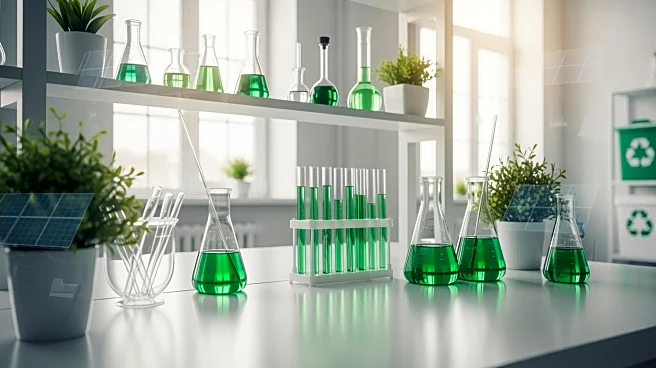
Laboratories, known for their critical role in scientific advancements, are increasingly focusing on sustainability to mitigate their environmental impact. This shift is driven by the need to address issues such as high energy consumption, hazardous chemical
use, and plastic waste generation. Labs are adopting strategies to reduce waste, energy usage, and emissions, aligning with global sustainability goals. Innovations in lab equipment, such as energy-efficient ultra-low temperature freezers and biological safety cabinets, are being implemented to decrease energy consumption. Additionally, labs are collaborating with suppliers to source sustainable products and materials, reduce transportation emissions, and utilize recyclable and biodegradable packaging. These efforts are part of a broader movement towards integrating sustainability into daily lab operations.
Why It's Important?
The push for sustainability in laboratories is significant as it addresses the environmental challenges posed by scientific research facilities. By reducing energy consumption and waste, labs can contribute to global efforts to combat climate change and reduce their carbon footprint. This transition not only benefits the environment but also enhances operational efficiency and cost-effectiveness for labs. The adoption of sustainable practices can lead to long-term savings and compliance with evolving environmental regulations. Furthermore, it sets a precedent for other industries to follow, promoting a culture of sustainability across various sectors. As labs play a crucial role in scientific research and innovation, their commitment to sustainability can have a ripple effect, encouraging other institutions to adopt similar practices.
What's Next?
As laboratories continue to implement sustainable practices, they are likely to face new regulatory requirements aimed at further reducing environmental impact. Governments and regulatory bodies are expected to introduce stricter guidelines on emissions and the use of hazardous materials. Labs will need to stay ahead of these changes by investing in sustainable technologies and collaborating with suppliers to ensure compliance. The ongoing innovation in lab equipment and processes will be crucial in meeting these future challenges. Additionally, the integration of renewable energy sources and zero-waste practices will become increasingly important. Labs that proactively adopt these measures will be better positioned to navigate the evolving regulatory landscape and contribute to a more sustainable future.
Beyond the Headlines
The move towards sustainability in laboratories also raises ethical considerations regarding the balance between scientific advancement and environmental responsibility. As labs strive to reduce their environmental impact, they must ensure that these efforts do not compromise the quality and integrity of their research. This requires a careful evaluation of the trade-offs involved in adopting new technologies and practices. Moreover, the shift towards sustainability highlights the importance of education and awareness among lab personnel. Training programs and initiatives that promote sustainable practices can empower lab workers to make informed decisions that align with environmental goals. Ultimately, the success of these efforts depends on a collective commitment to sustainability across the scientific community.