






What's Happening?
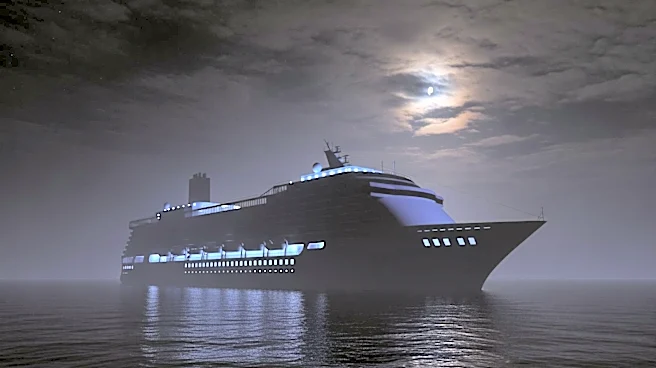
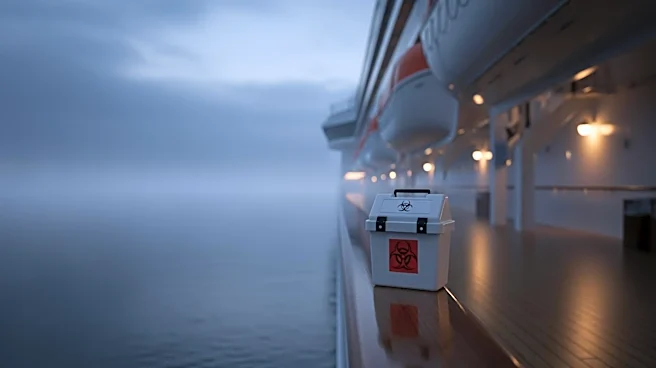
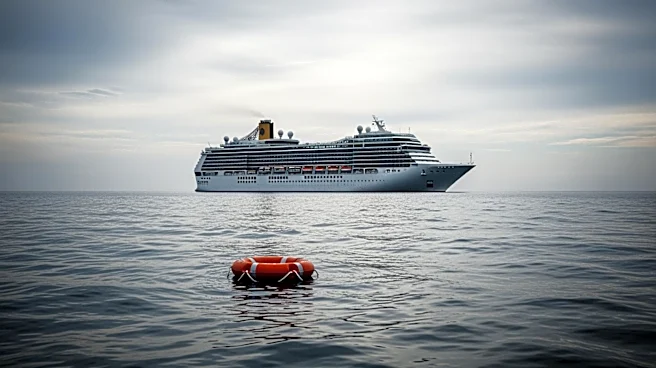
A cruise ship, MV Hondius, with nearly 150 people aboard is stranded off the coast of Cape Verde following a suspected hantavirus outbreak. The World Health Organization (WHO) and the ship's operator reported that three passengers have died, and at least
three others are seriously ill. The ship, on a polar cruise from Argentina to Antarctica, requested assistance from local health authorities but has not been allowed to dock due to public health concerns. The hantavirus, a rodent-borne illness, is rare but can spread between people. WHO is investigating the outbreak and coordinating the evacuation of two sick crew members. Among the passengers, 17 are Americans, and the ship's operator is considering moving to Spanish islands if evacuations cannot occur in Cape Verde.
Why It's Important?
The situation highlights the challenges of managing infectious disease outbreaks on cruise ships, which are confined environments with international passengers. The hantavirus outbreak poses a public health risk, although WHO states the risk to the wider public remains low. The incident underscores the importance of international cooperation in health emergencies, as multiple countries are involved in managing the outbreak. The economic impact on the cruise industry could be significant, as such incidents may deter future travelers, affecting tourism and related sectors. Additionally, the outbreak raises questions about health protocols and preparedness on cruise ships.
What's Next?
WHO and local authorities are conducting a full public health risk assessment and planning medical evacuations. The ship's operator may relocate to Spanish islands if evacuations in Cape Verde are not feasible. The situation requires careful coordination to prevent further spread of the virus and ensure the safety of passengers and crew. The outcome of the investigations and the effectiveness of the response will be closely watched by the cruise industry and public health officials.