







What's Happening?
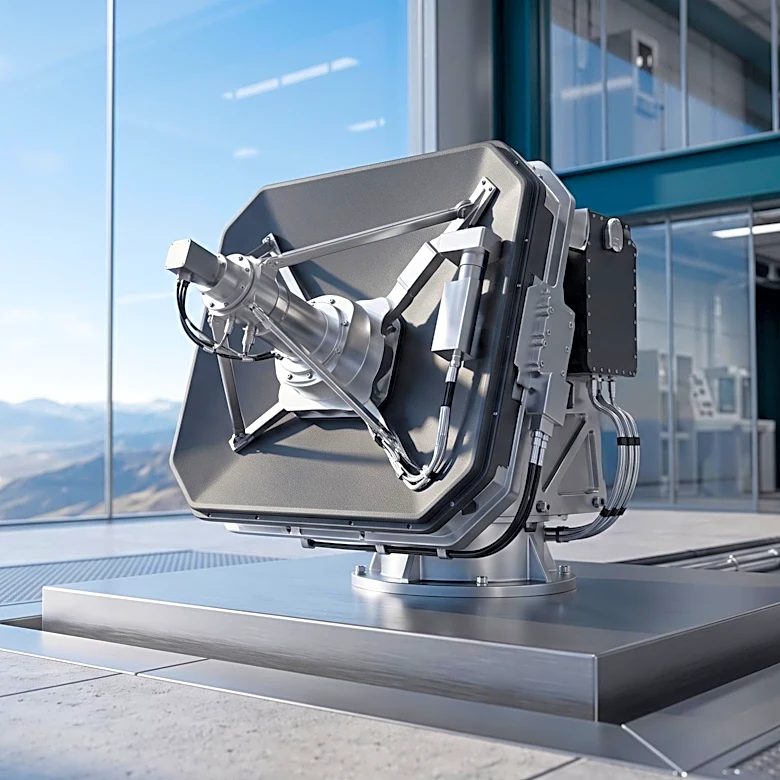
Ukraine's drone detection system, Pluton, developed by Infozahyst, has been upgraded to detect mesh modems used in Russian drones such as Geran (Shahed), Gerbera, and Molniya. This enhancement allows the system to monitor mesh networks on primary frequencies
of 1.5 GHz and 3.4 GHz, with a detection range of up to 70 km. Mesh networks enable drones to act as both receivers and signal repeaters, making them difficult to jam and allowing operators to adjust flight paths until impact. The upgrade also introduces remote monitoring and partial control capabilities for multiple Pluton systems via a dedicated VPN network. The Pluton system, which scans the 500–6,000 MHz band (expandable to 24 GHz), can identify various UAVs, including FPV drones, Supercam, Zala, Lancet, and Orlan, and estimate their distance and time to reach a protected site. This development comes as Russia continues to deploy drones in attacks on Ukraine, with a recent incident involving 162 drones and one Iskander-M ballistic missile.
Why It's Important?
This upgrade to Ukraine's Pluton system is crucial for enhancing national security and defense capabilities against sophisticated drone attacks. The ability to detect mesh-networked drones, which are inherently resistant to traditional jamming techniques, provides a significant advantage in air defense. By identifying these threats earlier and more effectively, Ukraine can improve its interception rates and protect critical infrastructure and civilian areas. The remote monitoring and control features also streamline operations, allowing for a more coordinated and rapid response to incoming threats. This technological advancement could reduce casualties and damage from drone strikes, thereby bolstering public confidence and maintaining operational continuity in affected regions. For the U.S. and its allies, this development highlights the evolving nature of drone warfare and the continuous need for advanced counter-drone technologies, potentially influencing future defense strategies and investments in similar systems.
What's Next?
Infozahyst is actively working on further enhancements for the Pluton system, including the implementation of digital FPV video detection and control of counter-drone assets. These features are anticipated in future updates, aiming to consolidate multiple functionalities into a single, integrated platform. The integration with the Plastun-RP-3000M tactical direction-finding system is also underway, which will automate drone localization and classification. These ongoing developments suggest a continuous effort to adapt to and counter evolving drone technologies used by adversaries. The success and effectiveness of these upgrades will likely be closely monitored by international defense communities, potentially leading to further collaborations or adoption of similar technologies in other conflict zones or for national security purposes.
Beyond the Headlines
The continuous evolution of drone technology and counter-drone measures, as exemplified by Ukraine's Pluton system upgrade, underscores a broader shift in modern warfare. The increasing sophistication of drones, particularly those employing mesh networks, presents significant challenges to traditional air defense systems. This technological arms race highlights the importance of rapid innovation and adaptation in defense. Furthermore, the reliance on foreign components in some Russian drones, as noted in the Geran-5, points to the complexities of global supply chains and the potential for international sanctions and export controls to impact military capabilities. The development also raises ethical considerations regarding the use of AI in autonomous or semi-autonomous weapons systems and the need for robust detection and interception mechanisms to prevent unintended consequences or escalation.