





What's Happening?
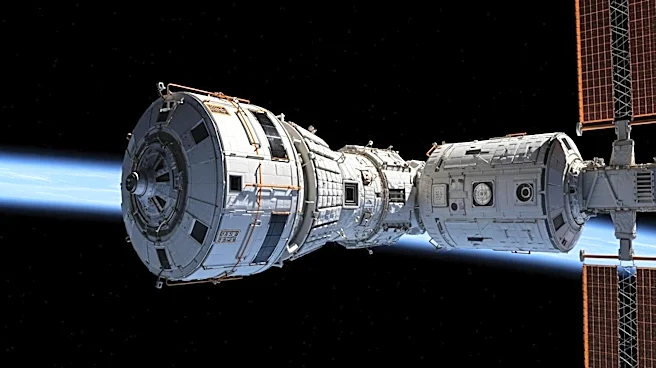
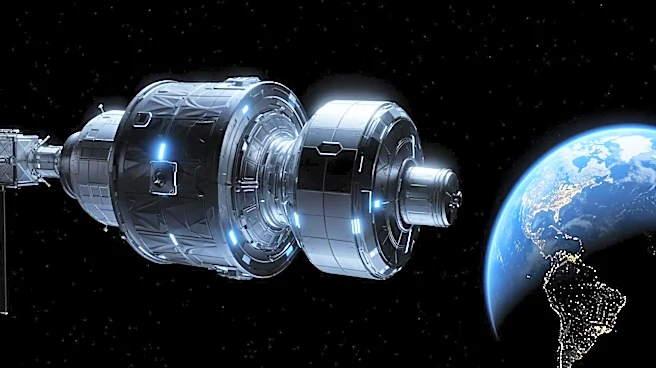
Astronauts aboard the International Space Station (ISS) experience a unique daily cycle, witnessing 16 sunrises and 16 sunsets every 24 hours due to the station's rapid orbit around Earth. This unusual environment presents significant challenges for maintaining
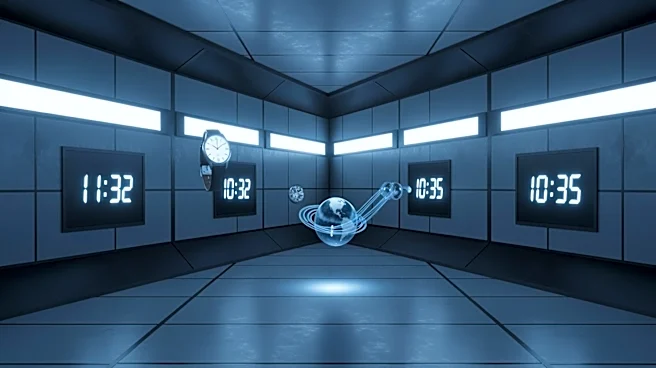
human circadian rhythms, which are naturally aligned to a 24-hour day. The ISS operates on Coordinated Universal Time (UTC) to provide a consistent schedule for astronauts, who follow a structured routine to manage work, exercise, and rest. Despite these measures, the human body struggles to adapt to the 90-minute light-dark cycle, leading to potential disruptions in melatonin secretion, body temperature regulation, and cognitive function. To mitigate these effects, advanced lighting systems on the ISS simulate natural light patterns to help regulate astronauts' internal clocks. Additionally, cultural and religious practices, such as prayer and celebrations, are adapted to fit the unique conditions of space, ensuring that astronauts maintain a sense of normalcy and connection to Earth.
Why It's Important?
The challenges faced by astronauts on the ISS highlight the complexities of human adaptation to space environments, which is crucial for the success of long-duration missions, such as those planned for Mars. Understanding and addressing the physiological and psychological impacts of living in space are essential for ensuring astronaut health and performance. The solutions developed for the ISS, such as engineered lighting and structured schedules, provide valuable insights into managing circadian rhythms and maintaining mental well-being in extreme conditions. These findings have broader implications for improving work environments on Earth, where similar principles can be applied to enhance productivity and health by aligning schedules with natural human rhythms. Furthermore, the adaptation of cultural and religious practices in space underscores the importance of preserving human identity and traditions, even in the most challenging environments.
What's Next?
As space agencies plan for future missions to Mars and beyond, the lessons learned from the ISS will inform strategies for managing human health and well-being in space. Researchers will continue to explore the long-term effects of circadian disruption and develop new technologies to support astronauts' physical and mental health. The integration of cultural and religious practices into space missions will also be refined, ensuring that astronauts can maintain their personal and spiritual identities while living and working in space. These efforts will be critical for the success of multi-year missions, where maintaining a sense of time and normalcy will be even more challenging.
Beyond the Headlines
The experience of living on the ISS reveals deeper insights into the human need for structure and ritual, even in the most technologically advanced environments. The adaptation of timekeeping and cultural practices in space reflects a fundamental aspect of human nature: the desire to create meaning and continuity in life. This understanding can inform not only space exploration but also how societies on Earth approach work-life balance, cultural preservation, and the integration of technology into daily life. As humanity ventures further into space, the lessons from the ISS will continue to shape our understanding of what it means to be human in the cosmos.