


What's Happening?
The U.S. economy, which was expected to experience growth in 2026, is facing challenges due to the ongoing conflict with Iran and a partial government shutdown. The war has led to increased oil prices, affecting transportation and consumer goods costs.
The Department of Homeland Security's plan to resume paying TSA agents aims to alleviate airport delays, but broader economic impacts persist. The Federal Reserve has adjusted its economic outlook, anticipating higher inflation rates. Mortgage rates are rising, and job market growth has stalled, contributing to a decline in consumer confidence.
Why It's Important?
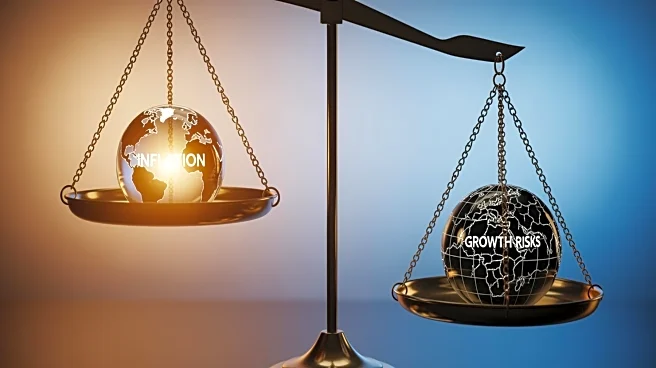
The combination of geopolitical tensions and domestic policy issues is creating economic uncertainty. Rising costs and inflation could lead to reduced consumer spending and economic growth. The potential for a recession looms if these issues are not addressed. The impact on household wealth and investor confidence could have long-term effects on the U.S. economy. Policymakers face the challenge of balancing inflation control with economic growth, while businesses and consumers navigate an uncertain financial landscape.
What's Next?
The Federal Reserve may consider further monetary policy adjustments to manage inflation. The government will need to address the funding gaps to prevent further disruptions. Diplomatic efforts to resolve the conflict with Iran could stabilize oil prices and reduce economic pressures. Consumers and businesses will continue to adapt to the changing economic environment, with potential shifts in spending and investment strategies.