





What's Happening?
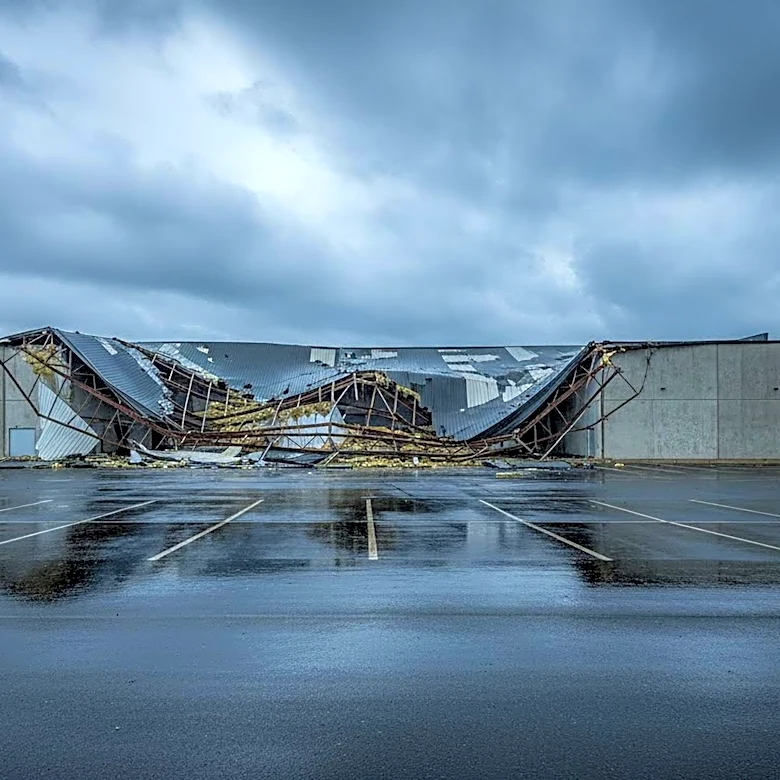
Heavy rains have caused flash flooding in parts of New York City, Philadelphia, and New Jersey, marking the end of a severe heat wave that affected the region. In New Jersey, the roof of a BJ’s Wholesale Club collapsed due to the rain, though no injuries
were reported. The flooding has stranded cars on highways and affected businesses and at least one hospital. The heat wave had previously set record temperatures, with LaGuardia Airport reaching 104 degrees Fahrenheit. The extreme weather has prompted warnings from officials about heat-related health risks and the need for emergency preparedness.
Why It's Important?
The recent weather events highlight the increasing frequency and intensity of extreme weather patterns, likely exacerbated by climate change. The transition from a heat wave to flash flooding underscores the challenges cities face in managing climate-related risks. These events can strain infrastructure, disrupt daily life, and pose significant health and safety risks to residents. The situation also emphasizes the need for robust emergency response systems and infrastructure improvements to better handle such extremes. The economic impact on businesses and the potential for heat-related fatalities further stress the importance of addressing climate resilience in urban planning.
What's Next?
Authorities will likely focus on assessing the damage and implementing recovery efforts in the affected areas. There may be increased calls for investment in infrastructure to better withstand extreme weather events, including improved drainage systems and heat mitigation strategies. Public health campaigns may also be intensified to educate residents on how to protect themselves during extreme weather conditions. The events could influence policy discussions on climate adaptation and resilience, potentially leading to new initiatives aimed at reducing the impact of future weather extremes.