
What's Happening?
The Wisconsin Department of Agriculture, Trade and Consumer Protection (DATCP) is urging poultry and livestock producers to implement heightened biosecurity measures as wild bird migration continues across
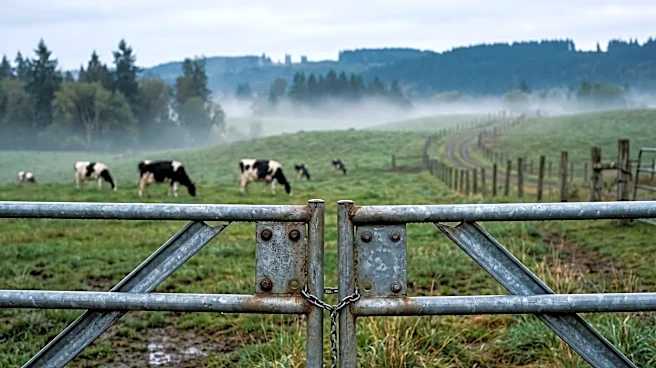
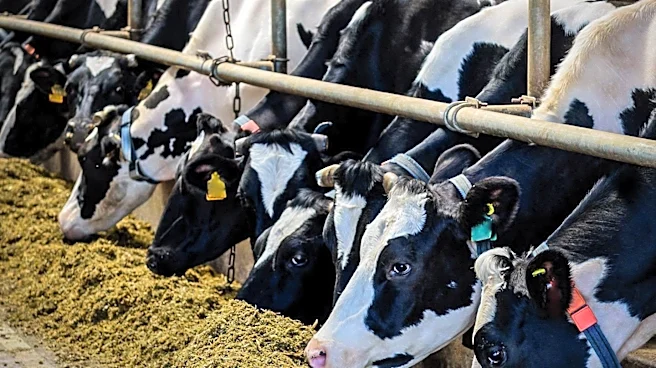
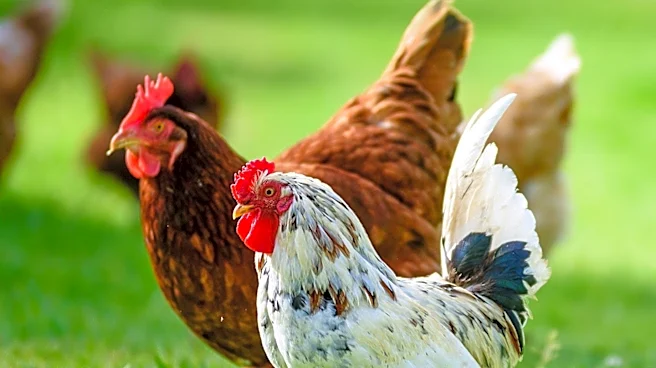
the state. This comes after eight Highly Pathogenic Avian Influenza (HPAI) detections in Wisconsin poultry this year, with four occurring since September, and one confirmed detection in a Wisconsin dairy herd. Migrating wild birds are known carriers of the virus, capable of spreading it to domestic animals through contact with farm animals, feed, water sources, or equipment. State and federal agencies, including DATCP, the U.S. Department of Agriculture, the Food and Drug Administration, and the Centers for Disease Control and Prevention, are emphasizing the importance of reviewing and strengthening biosecurity practices for all types of producers.
Why It's Important?
The continued spread of HPAI poses a significant threat to Wisconsin's agricultural economy, particularly its poultry and dairy sectors. Outbreaks can lead to devastating losses for farmers due to animal culling, trade restrictions, and increased operational costs. The detection of HPAI in dairy herds also raises concerns about potential impacts on milk production and the broader dairy supply chain. Proactive biosecurity measures are crucial to prevent further economic damage and ensure food security. The involvement of multiple federal agencies underscores the national importance of controlling this animal disease, as it can have ripple effects on consumer prices and the availability of poultry and dairy products across the U.S.
What's Next?
DATCP recommends several key precautions for producers, including limiting exposure to wild birds by keeping domestic birds indoors during migration, preventing mixing of species, controlling farm access, regularly cleaning and disinfecting equipment, and quarantining new birds for at least 30 days. Producers are also advised to monitor animals daily for signs of illness and report any sudden illnesses or unexplained deaths immediately to DATCP. Sick, dead, or injured wildlife should be reported to the Wisconsin Department of Natural Resources. These ongoing efforts aim to mitigate the risk of HPAI transmission and protect Wisconsin's agricultural industry. The success of these measures will depend on widespread adoption and vigilance among all poultry and dairy producers.
Beyond the Headlines
The HPAI situation in Wisconsin highlights the delicate balance between wildlife ecosystems and agricultural practices. The natural migration patterns of wild birds, while essential for biodiversity, inadvertently create pathways for disease transmission to domestic animals. This necessitates a comprehensive approach that includes not only on-farm biosecurity but also broader ecological monitoring and public awareness. The economic pressures on farmers, coupled with the constant threat of disease, underscore the need for robust support systems and innovative solutions to protect livelihoods and ensure a stable food supply. The ongoing challenge of HPAI serves as a reminder of the interconnectedness of environmental health, animal health, and human well-being.