



What's Happening?
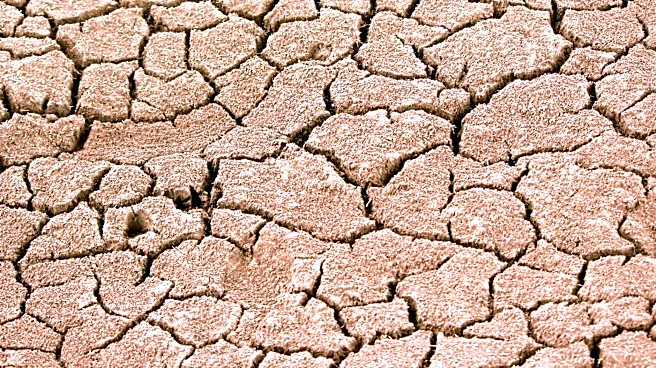
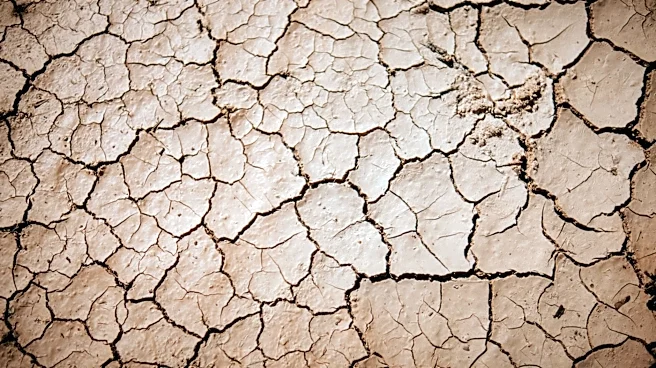
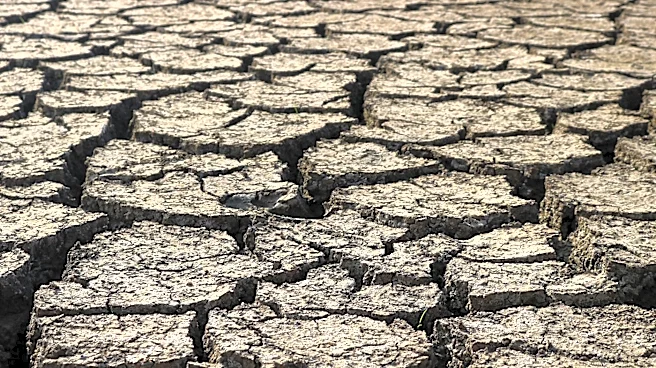
In response to some of the driest soil conditions in the United States, a growing number of homeowners in Colorado are replacing traditional grass lawns with drought-tolerant landscaping. This shift is part of a broader effort to conserve water and reduce
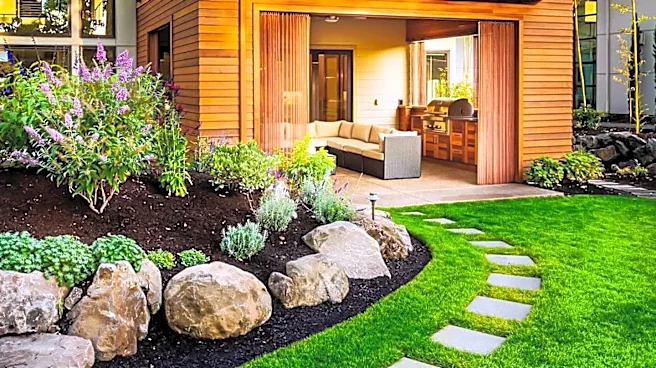
utility bills. The move towards drought-friendly landscapes involves using plants that require less water, such as native grasses and succulents, and incorporating features like rock gardens and mulch to retain soil moisture. This trend is gaining traction as residents seek sustainable solutions to cope with the ongoing drought conditions affecting the region.
Why It's Important?
The transition to drought-tolerant landscaping in Colorado reflects a significant shift in how communities are adapting to climate change and water scarcity. By reducing water usage, homeowners can contribute to the conservation of this vital resource, which is increasingly under pressure due to prolonged droughts. This change not only helps in lowering water bills but also supports environmental sustainability by reducing the demand on local water supplies. As more regions face similar challenges, Colorado's approach could serve as a model for other areas looking to implement water-saving measures.