



What's Happening?
Pulmonary rehabilitation programs for individuals with emphysema are primarily designed to strengthen muscles rather than directly repair lung damage. Emphysema causes the lungs to become hyperinflated, trapping air and flattening the diaphragm, which
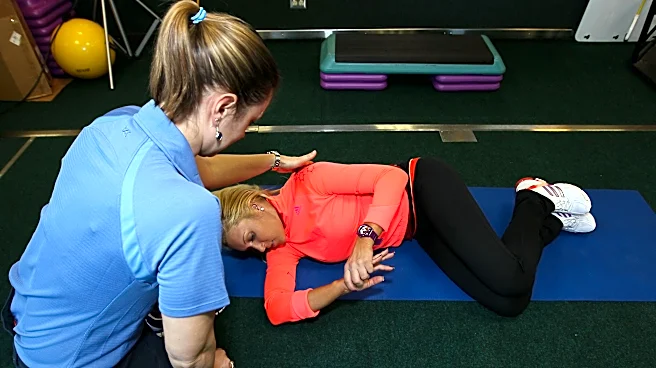
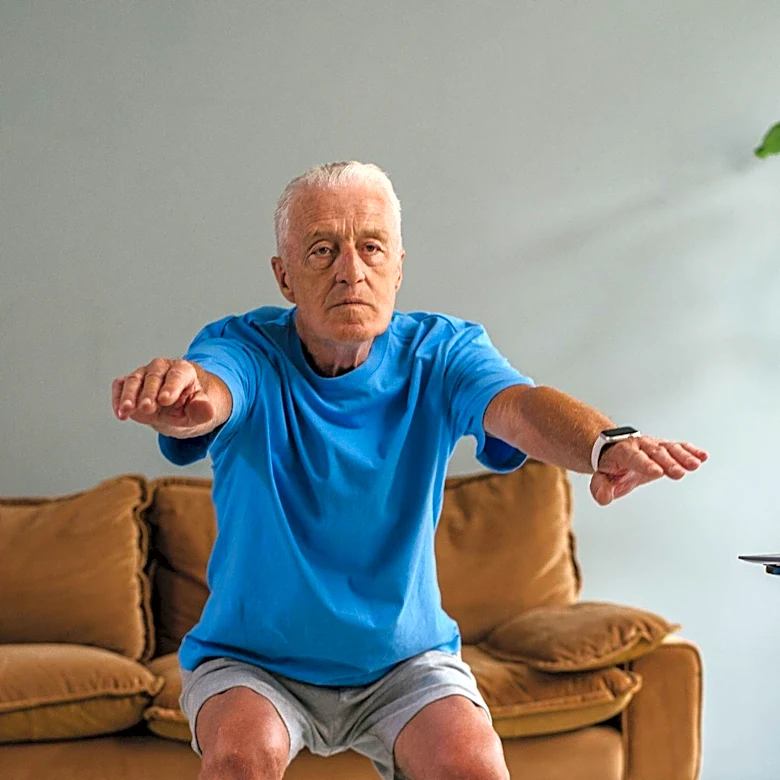
makes breathing more difficult. This leads to reduced physical activity, weakening leg muscles. Weakened muscles require more oxygen and produce more carbon dioxide, further exacerbating breathlessness. Pulmonary rehabilitation addresses this cycle by focusing on endurance and resistance exercises, alongside education on breathing techniques and inhaler use. While the lungs themselves do not regenerate or show improved function in standard tests like FEV1, participants in these programs consistently report significant improvements in walking distance, reduced breathlessness during daily activities, and increased confidence in managing their condition. The programs typically run for six to twelve weeks, with two to three supervised sessions per week, combining physical training with educational components.
Why It's Important?
This approach to emphysema management is crucial because it shifts the focus from an irreparable lung condition to a treatable muscular deconditioning. By improving muscle efficiency, individuals with emphysema can perform daily tasks with less effort and experience reduced breathlessness, significantly enhancing their quality of life. The benefits extend beyond physical improvements, as patients often report reduced anxiety and depression related to their breathing difficulties. Furthermore, pulmonary rehabilitation is often a prerequisite for advanced treatments like lung volume reduction surgery or bronchoscopic lung volume reduction, as it prepares patients for these interventions and improves recovery outcomes. This highlights the program's role not just as a standalone therapy but as an integral part of a comprehensive treatment pathway, enabling patients to access further care and achieve better overall health outcomes.
What's Next?
The benefits gained from pulmonary rehabilitation are not permanent and tend to diminish within 12 to 18 months if activity is not maintained. Therefore, a critical next step for participants is to establish a sustainable maintenance plan. This can involve continued participation in lower-intensity maintenance classes, joining community walking groups, or adhering to a personalized home exercise routine developed during the program. Healthcare providers will emphasize the importance of integrating these habits into daily life to preserve the improvements. For those whose condition declines again, re-referral to pulmonary rehabilitation is an option, as repeat programs have shown similar effectiveness. Ongoing research continues to explore ways to enhance the long-term adherence and effectiveness of these programs, potentially through home-based or virtual options to address barriers like travel and time commitment.
Beyond the Headlines
The success of pulmonary rehabilitation in improving the lives of emphysema patients, despite not 'healing' the lungs, underscores a broader principle in chronic disease management: optimizing the body's compensatory mechanisms can yield profound functional benefits. This approach challenges the conventional focus solely on organ-specific pathology and highlights the interconnectedness of bodily systems. Ethically, it emphasizes patient empowerment through education and self-management skills, fostering a sense of control over a debilitating condition. Legally, the recognition of pulmonary rehabilitation as a medical treatment, often covered by insurance, reflects a shift towards valuing functional outcomes and quality of life alongside traditional clinical markers. Culturally, it promotes a more active and engaged role for patients in their own care, moving away from a purely passive recipient model of healthcare.