
What's Happening?
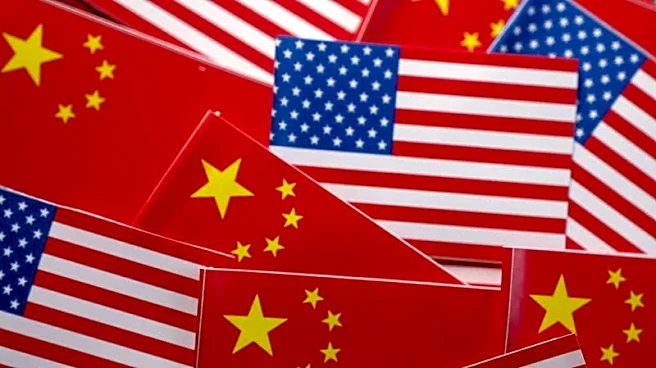
China has instructed its companies to disregard U.S. sanctions related to Iranian oil, marking a significant escalation in the ongoing economic tensions between the two nations. This directive from China's
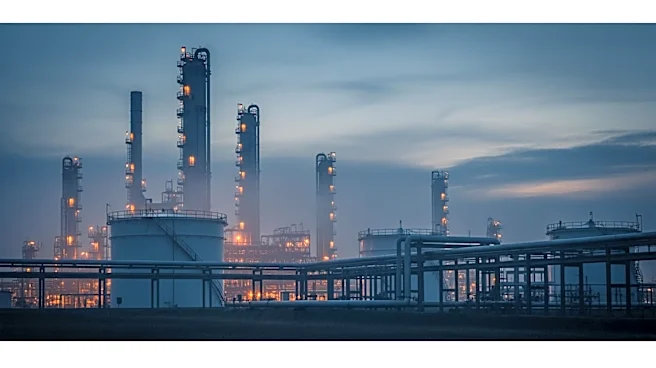
Ministry of Commerce is the first explicit order for Chinese firms to defy such measures, utilizing a sanctions-blocking mechanism introduced in 2021. This move comes in response to the U.S. Treasury Department's warning of potential secondary sanctions against entities involved with 'teapot refineries' in China that process Iranian oil. These refineries, primarily located in Shandong province, are small, privately owned facilities that handle a significant portion of China's sanctioned crude from Iran and Russia. The U.S. has identified these refineries as a critical gap in sanctions enforcement, as they provide substantial revenue streams to the Iranian government.
Why It's Important?
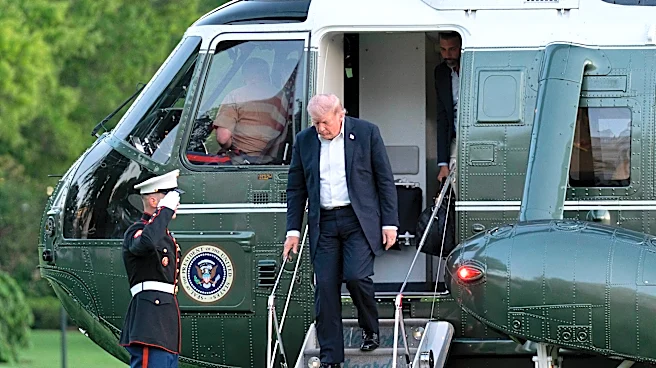
The directive from China represents a direct challenge to U.S. efforts to enforce its sanctions regime, particularly as it seeks to pressure Iran into further concessions in ongoing negotiations. This development could complicate diplomatic relations, especially with President Trump's upcoming state visit to Beijing. The U.S. has been increasing pressure on these refineries, which are seen as undermining the effectiveness of its sanctions against Iran. The situation also highlights the broader geopolitical struggle over energy resources and economic influence, with China leveraging its strategic reserves and alternative supply sources to mitigate potential disruptions. However, the loss of Iranian crude could still impact key sectors in China, such as construction and petrochemicals.
What's Next?
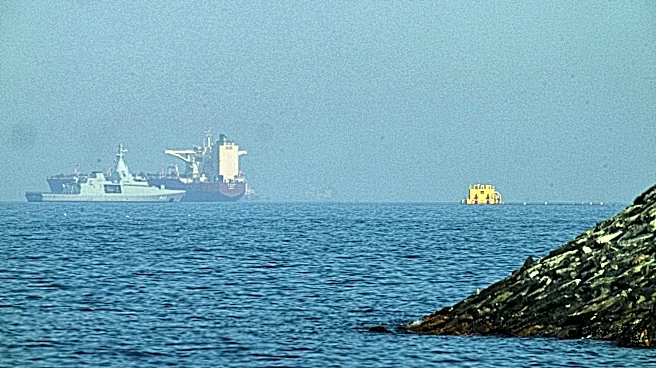
The standoff is likely to intensify as both nations prepare for high-level diplomatic engagements. President Trump's visit to Beijing could serve as a platform for addressing these tensions, although the outcome remains uncertain. The U.S. may continue to tighten its enforcement measures, potentially leading to further economic and diplomatic repercussions. Additionally, the situation in the Strait of Hormuz, a critical chokepoint for global oil shipments, remains volatile, with ongoing disruptions affecting international oil markets. The broader implications for global energy security and economic stability are significant, as any escalation could lead to increased volatility in oil prices and supply chains.
Beyond the Headlines
This development underscores the complex interplay between economic sanctions and international diplomacy. China's decision to defy U.S. sanctions reflects its broader strategy to assert its sovereignty and protect its economic interests. The use of a sanctions-blocking mechanism highlights the legal and regulatory tools countries can employ to counteract foreign pressure. This situation also raises questions about the effectiveness of unilateral sanctions and their impact on global trade dynamics. As countries increasingly resort to such measures, the potential for unintended consequences and retaliatory actions grows, complicating international relations and economic cooperation.